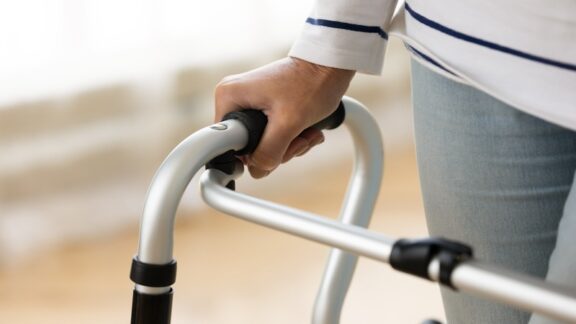
A variety of conditions can affect if a person becomes clumsy when aging, but there are steps to decrease some clumsiness. Dr. Howard LeWine explains.
Question: I’ve always considered myself clumsier than most people. Now that I’m in my 60s, it’s getting worse. Why is age a factor, and what steps can I take to overcome it?
Answer: Age-related changes can make all of us clumsier. Still, you need to consider whether you have developed a medical condition responsible for the difference now. For example, if your clumsiness has worsened over a short period or has resulted in a fall, you should get a medical evaluation. As we age, many factors tend to impair smooth, agile, and coordinated movements. For example:
- Declining hearing, vision, and touch sensitivity. Common causes include hearing loss; reduced visual acuity, peripheral vision, and depth perception; and diminished sense of touch in the hands and feet.
- Nervous system changes. The brain, spinal cord, and sensory and motor nerves undergo changes that lead to slower processing speeds and a reduced ability to react to obstacles and distractions.
- Loss of muscle strength, power, and flexibility. When older people start to lose balance or fumble a dish when trying to place it in the cupboard, their muscles don’t have the same ability to adapt and keep them from falling or dropping the dish.
- Changes in the balance system. The delicate balance system, housed in our inner ears and parts of our brain, functions less efficiently.
- Many drug side effects, such as drowsiness from older antihistamines like diphenhydramine (Benadryl) or dizziness or lightheadedness from blood pressure drugs, can contribute to clumsiness.
- Lack of attention and focus. This increases the chance of dropping an object, bumping into something, or falling.
- Impact of health conditions. Chronic health conditions like arthritis, diabetes, and Parkinson’s disease can make clumsiness even worse.
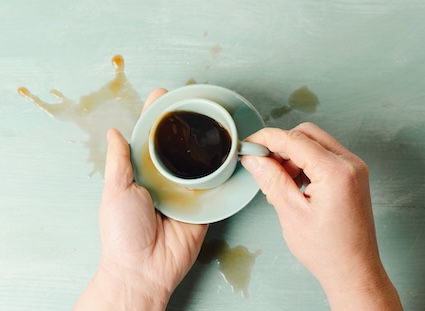
While many of the above factors cannot be reversed, there’s a lot you can do to help mitigate clumsiness and avoid injury. Here are some suggestions:
- Practice activities that both strengthen your hand grip and boost fine motor skills. Squeeze a tennis ball two or three times per day, gently stretch your fingers often, button and unbutton a shirt, and do jigsaw puzzles.
- Stay physically active. Exercise routines that incorporate balance, such as tai chi and yoga, can be beneficial. Also, do resistance training two to three times a week to build stronger muscles.
- Make quality sleep a priority. Inadequate and poor-quality sleep will decrease focus and stability, exacerbating clumsiness.
Howard LeWine, M.D., is an internist at Brigham and Women’s Hospital in Boston and assistant professor at Harvard Medical School. For additional consumer health information, please visit www.health.harvard.edu.
©2026 Harvard University. For terms of use, please see https://www.health.harvard.edu/terms-of-use. Distributed by Tribune Content Agency, LLC.
Read more about your health as you age on Seniors Guide:
Changes of Aging