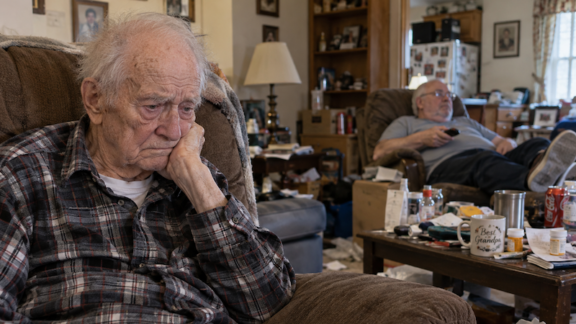
The time that senior adults and young people spend together has diminished, both at home and in the community. It once was common for grandparents to share a home with their children and grandchildren: in 1900, 57% of Americans 65 and older lived in a multigenerational household, but by 1980, that had fallen to 17%. Community activities are often separated by age as well. But time spent together benefits seniors and young people, bringing into focus the importance of intergenerational activities. Lisa Monroe looks at where the generations are intentionally coming together.
When people from multiple generations work, play, or create together, good things can happen. That’s why senior living communities, senior centers, schools, libraries, churches, and community organizations are increasingly offering intergenerational activities that combine two or more age groups in their programming.
The nonprofit organization Generations United has long promoted intergenerational collaboration. Many senior-living providers now include cross-generational activities as part of wellness programming, too.
For example, Essex House, an assisted living facility in Tappahannock, Virginia, fosters intergenerational engagement through storytelling, arts and crafts, fitness classes, and technology workshops with younger participants. Meanwhile, Duxbury House, a specialized memory care facility in Massachusetts, regularly offers art and painting sessions, gardening clubs, music performances, and events that bring together younger generations with seniors who have Alzheimer’s and other forms of dementia.
Senior centers are purposefully adding services like daycare and activities that nudge interaction between older adults and children. Generations Intergenerational Day Center in Cedar Bluff, Virginia, for instance, brings seniors and young children together every day, offering a shared space for mutual learning, socialization, and meaningful interaction.
Generations is a fully licensed daycare center, serving children from 6 weeks to 12 years old, and provides daytime care for adults with dementia, post-stroke disability, or other impairments. To foster intergenerational collaboration, children at the center have opportunities to participate in select, supervised activities with seniors.
Several factors are driving the push for more intergenerational activities like these, and concern about the negative health outcomes associated with loneliness and social isolation in older adults tops the list. Intergenerational collaboration can also help mitigate the persistence of ageism in our age-segregated culture.
The trend is significant enough that many aging-services professionals now view intergenerational programming not as a novelty but as a best practice for fostering social connection and community.
What are intergenerational activities?
An intergenerational activity is any pursuit that helps bridge the gap between different age groups, typically pairing seniors with children, teens, or young adults, to share skills, build relationships, and improve overall well-being for all.
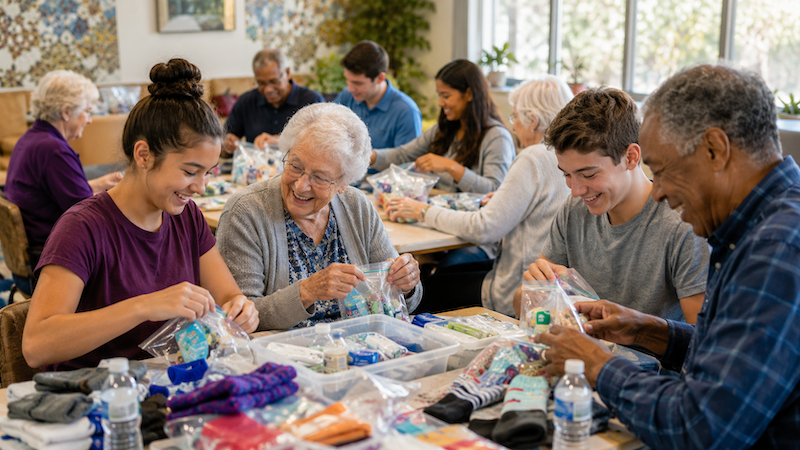 These shared experiences combat social isolation and create a mutually beneficial environment where all participants feel valued and connected – and learn to value others. Below are some examples of intergenerational activities that senior communities and senior centers offer.
- Reading programs
- Gardening projects
- Art classes
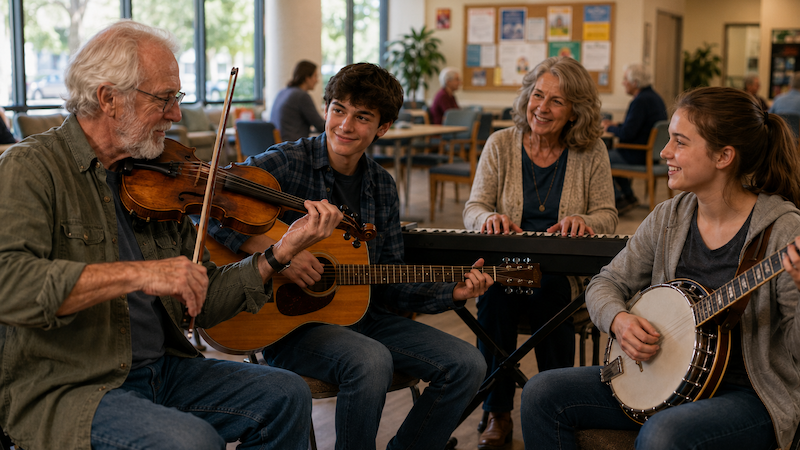
- Music and choir performances
- Technology tutoring (teens helping seniors)
- Oral history projects
- Storytelling programs
- Volunteer and service projects
- Holiday celebrations
- Pen-pal programs
Key benefits of intergenerational activities
Intergenerational programming provides advantages for both older adults and youth. Here are some of the main benefits for each group.
Benefits for older adults
- Reduced social isolation: Engaging in regular activities with younger people combats loneliness and decreases the risk of depression by creating a robust support network.
- Enhanced sense of purpose: Serving as mentors, teachers, and storytellers fosters feelings of being valued and boosts self-esteem.
- Cognitive stimulation: Interacting with children naturally sharpens memory and keeps the mind alert through activities, games, and knowledge sharing.
Benefits for Youth
- Academic and skill development: Time spent with older mentors can improve communication, literacy, and problem-solving skills.
- Improved social and emotional well-being: Children gain a sense of security and stability while learning cultural traditions, values, and empathy from older generations.
- Decreased ageism: Regular interaction with seniors helps youth dispel stereotypes, making them more comfortable and respectful toward aging individuals.
Resources for finding local intergenerational activities
If you’re an older adult who wants to incorporate more intergenerational activities into your life, keep an eye out for volunteer opportunities at local schools and libraries to read books aloud, help with homework, assist in the classroom, or work at special events.
If you live in a senior living community, encourage your activities director to arrange events with young people
 Try these ideas for intergenerational activities within your own family or community.
- Storytelling and family trees: Collaborating on a genealogy project or letting children interview their elders about family stories and history engages seniors while helping to socialize children and broaden their perspective on the past.
- Cooking and baking: Cooking or baking together encourages conversation and teamwork. This also teaches children new skills, while enabling seniors to pass down family recipes to the next generation.
- Arts and crafts: Creative activities help children build motor skills while sometimes letting older adults share their skills. It’s easy to find something for every age and skill level, from simple crafts like making homemade greeting cards and scrapbooking to quilting or acrylic painting.
- Gardening: Tending to plants together provides a calming, sensory-rich outdoor activity that results in a shared sense of accomplishment for all generations.
- Reverse mentorship: Younger participants can share their knowledge of modern tablets, smartphone games, and other bits of technology, while seniors pass down lessons on history, classic movies, music, or other areas of expertise.
- Tabletop games: Board games, card games, and puzzles help keep cognitive skills sharp for older adults while teaching children about taking turns and strategic thinking.
Several organizations offer toolkits, directories, and local event listings to help locate structured intergenerational programs, including Generations United, The Engaged Resource Center, and the National Council on Aging.