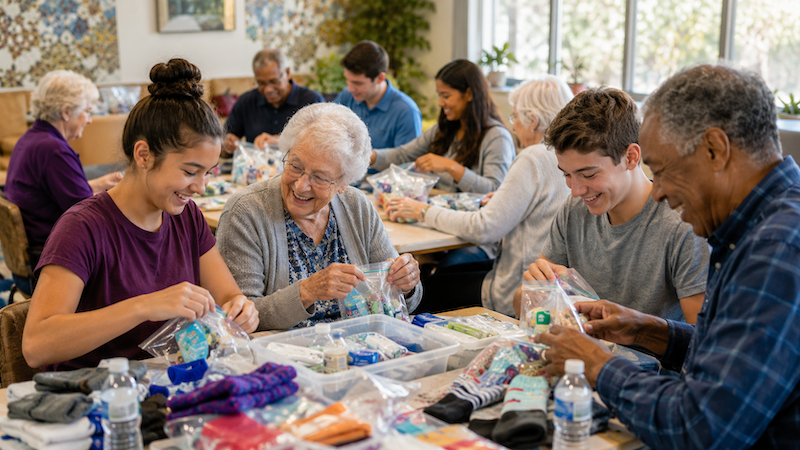
When you envision a senior center, do you picture a group of sedentary older adults playing bingo, checkers, and card games, perhaps sharing a meal? While these offerings still exist, today’s senior centers often provide much more: fitness classes, educational programs, volunteer opportunities, technology training, social services, and creative experiences designed to help older adults stay active, connected, and engaged.
Why senior centers matter
Beyond the activities themselves, today’s senior centers provide something many older adults need: connection.
These centers serve as community hubs where older adults can improve their health, build friendships, access services, volunteer, learn new skills, and stay engaged in their communities. Today’s 11,000 senior centers can be found across the United States, serving more than 1 million older adults each day. Many centers also offer practical assistance, including health screenings, benefits counseling, transportation resources, exercise programs, educational classes, and support groups. The mix varies from one community to another, which means no two senior centers are exactly alike.
Senior centers differ from adult day services (though some may be under the same roof). Adult day care centers are tailored to adults who need support during the day, such as meals and medication, and can’t otherwise be alone, but they may also provide fun and stimulating activities.
Award-winning ideas at today’s seniors centers are changing perceptions
The National Council on Aging (NCOA) regularly recognizes senior centers across the country for innovative programs that support health, well-being, and community involvement. The NCOA’s National Institute of Senior Centers (NISC) Programs of Excellence Awards highlight creative ideas that other centers can replicate.
The 2025 winners demonstrate just how diverse senior center programming has become.
In New Hampshire, the Portsmouth Senior Activity Center earned a national award for its “Rock the Crock” workshop series, which teaches older adults how to prepare nutritious meals using mini crockpots. The hands-on program helps participants create healthy, affordable meals while building confidence in the kitchen.
In Pennsylvania, a program called “Bridging Generations and Preserving Memories through Virtual Reality” used immersive technology to connect older adults with new experiences and spark conversations about personal memories and life stories.
A California senior center received recognition for an intergenerational Braille book project that brought together older adults and younger participants to create accessible books for children with visual impairments.
Other NCOA award-winning programs at today’s senior centers include murder mystery dinners, speed-friending events designed to combat loneliness, solo ager meetups, gratitude initiatives, and virtual tours that allowed participants to explore places they might not otherwise visit. Previous award winners have showcased the growing role of technology and community outreach. Programs have included senior-produced podcasts, mobile senior centers that bring services directly into neighborhoods, diabetes-prevention partnerships with nursing students, and technology classes that help older adults become more comfortable with digital tools.
Finding a senior center near you
To find a center near you:
- Contact your local Area Agency on Aging.
- Ask your county or city parks and recreation department.
- Search online for “senior center near me” or “[your county] senior center.”
- Visit the National Council on Aging’s senior center resources for additional information.
You may discover that today’s senior center looks very different from what you expected, with opportunities beyond your wildest imagination.