High-dollar treatments promoted by supporters of the longevity business promise miraculous results. Are they really worth the money and hype?
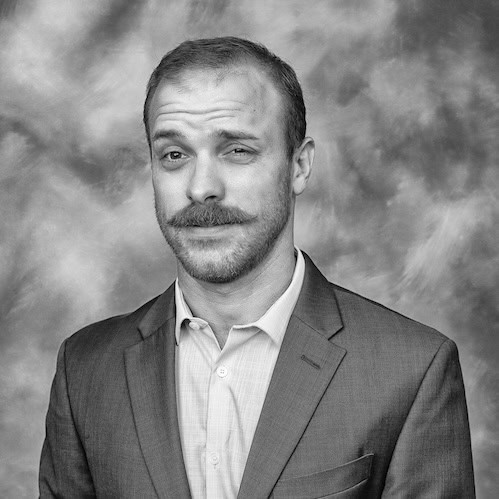
Chances are you’ve heard of Bryan Johson: The tech entrepreneur and venture capitalist’s crusade to unlock the proverbial fountain of youth has seized the attention of a parade of major media outlets like Time, Business Insider, and The Atlantic. Johnson’s no-expense-barred quest to beat aging – which he calls biohacking and has formalized under the moniker, Project Blueprint – includes an obsessive regiment of supplements, medical treatments, pseudoscientific techniques, and even gene therapy. The 48-year-old spends around $2 million a year on the effort and claims to have slowed his personal aging process by about four months per annum.
Johnson is a posterchild – and potential cautionary tale – for the fast-emerging longevity industry. Market research and consulting firm SNS Insider valued the global market size at $27.61 billion in 2025 and expects that number to expand to more than $67 billion by 2035.
Some of the main factors behind the growth are “the increased awareness of health hazards associated with aging, as well as the rising prevalence of chronic and age-related disorders,” reported SNS in a related press release. “Technological advancements in genomics, biomarker analysis, AI-powered health analytics, and digital health monitoring are also driving the use of nutraceuticals, anti-aging medications, regenerative and personalized medicine solutions by individuals, wellness centers, and healthcare providers to extend lifespan.”
But as Senior Guide has reported: In many cases the buzz may be premature or even predatory.
“Most longevity hacks are overhyped,” said Dr. Matt Kaeberlein, Longevity Science Foundation scientific advisory board member. “The real drivers of longer, healthier life are the fundamentals like nutrition, exercise, sleep, stress management, and relationships.”
Kaeberlein suggests thorough research before you invest in expensive and experimental à la mode treatments. We get answers from him and other experts to bring you a quick playbook for how to avoid potential snake oil and use science-backed behavioral and medical interventions to positively impact longevity.
Mind your own longevity business
Besides the reality that many of us don’t have the time or resources to invest in the techniques and products hawked by those in the longevity business, health experts point to the efficacy of everyday actions that are more achievable.
Go back to the basics
Limelight pundits in the longevity space tend to focus on optimizations like supplement stacks, IV treatments, and tracking every imaginable biomarker. But experts say less glamorous day-to-day factors are much more important. Kaeberlein points to the “four pillars” of prevention as the fundamental bedrock of later-in-life wellness.
That’s nutrition, exercise, sleep, and mental well-being. He says making even just small tweaks in each area can bring big impacts over time.
When it comes to diet, for instance, Kaeberlein said it’s hard to argue against cutting out ultra-processed foods and eating predominantly plant-forward meals where red meat consumption is limited to now and then. In terms of exercise, while resistance training and cardiovascular fitness are both good for you, it’s more about regularity through time.
“You should lean into that and say, ‘What kind of exercise can I do that I enjoy or that I can envision myself doing for the next 10 years?’” Kaeberlein advised. That pleasure quotient can transform a rote and – let’s face it – uncomfortable act into a hobby that becomes a staple of your daily and weekly routine.
The point is, when it come to the four pillars, it’s not so much about perfection, Kaeberlein argues, as being mindful about and consistent in your approach. Organizations like the Center for Diabetes and Endocrine Care agree. They say the approach can reward practitioners with an additional seven to 10 healthy, disease-free years later in life.
Measure what matters and trust real experts
Mastering the four pillars takes intentional effort. Getting your protein consumption right, for instance, can be tricky. Ditto for balancing hormones that can fuel inflammation and disrupt sleep schedules.
Kaeberlein said if patients are serious about longevity and long-term quality of life, it’s crucial to build a trusted health team. World-class athletes draw from an armada of coaches and trainers that use objective observations and expertise to drive performance results and help them achieve maximum potential. While you don’t need to go to extremes, the same principal can be applied to aging.
Specialists can analyze different health areas and work with your primary care provider to create custom treatment plans based on results. The two most important areas, says Kaeberlein, are functional assessments and lifestyle optimization.
If you’re trying to live longer, “the biggest bang for the buck comes from maintaining a normal body mass index,” said Pradeep Natarajan, director of preventative cardiology at Beth Israel Deaconess Medical Center. On the other hand, that number can be misleading for seniors. A DEXA scan solves the problem and provides detailed information about body composition like bone density, fat distribution, and muscle mass. If there are, say, concentrations of excess fat, doctors could use data to recommend targeted physical therapy, prescribe specific exercises, or a mix of both.
Similarly, physicians and nutritionists can use blood test results to help clarify potential issues like protein consumption or mediate glucose spikes. They could also preemptively identify likely deficiencies such as Vitamin D, which can lead to osteoporosis and be treated with simple supplements.
The takeaway
The field of longevity is evolving swiftly and its future looks deeply promising. But the truth is, much of what’s currently being marketed through the longevity business doesn’t hold up to medical scrutiny.
The fundamentals work, and they’ve demonstrated their effectiveness over time. This doesn’t generate social media buzz like, say, red light therapy, because it can’t be easily funneled into an affiliate link that drives purchases from glitzy online websites. That’s good news, though, Kaeberlein said, because what your longevity depends on the most is controllable daily decisions like how you move, sleep, eat, drink, and connect with others.
Related: Longevity and Anti-Aging Science