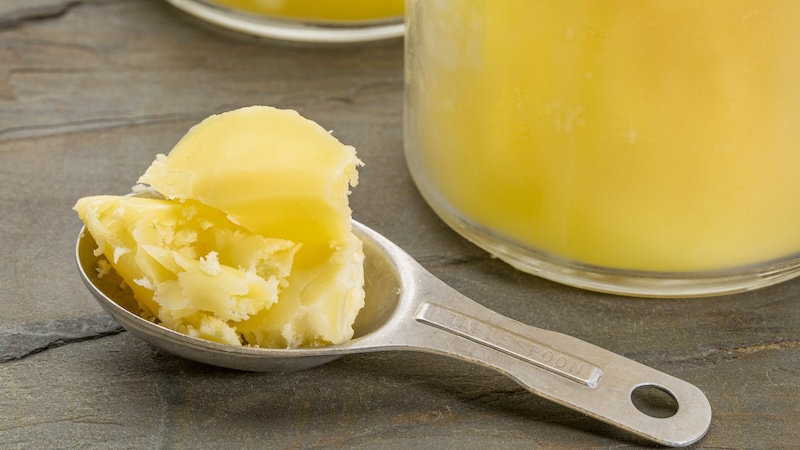
Eating right can boost your energy and your health. This healthful “pairing” from Environmental Nutrition looks at keys to a balanced breakfast and the possible benefits of ghee, a type of clarified butter, over butter.
Keys to a balanced breakfast
Kristen N. Smith, Ph.D., RDN
Mornings can be busy, but preparing a balanced breakfast doesn’t have to be complicated. Starting your day with the right mix of foods can help support energy, focus, and fullness until your next meal.
A simple rule of thumb is to include protein, fiber, and healthy fats. Protein helps keep you satisfied, fiber supports digestion, and fats add flavor and staying power.
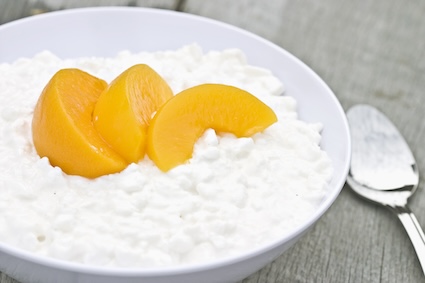
Try Greek yogurt or cottage cheese topped with fruit and a sprinkle of nuts or seeds. Oatmeal is another easy option — add milk or a plant-based alternative, then mix in berries, chia seeds, or peanut butter. If you prefer savory foods, eggs with whole-grain toast and avocado make a quick, nourishing meal.
Short on time? Smoothies can be a lifesaver. Blend frozen fruit with milk or yogurt and add protein powder, nut butter or flaxseed. You can even prep smoothie bags ahead of time and keep them in the freezer.
For grab-and-go mornings, keep things simple with hard-boiled eggs, whole-grain toast, or overnight oats. Small, consistent habits matter more than perfection — choose options you enjoy and can stick with.
Is there a health difference between ghee and butter?
Jessica Bunch
Question: Is ghee healthier than butter?
Answer: Ghee is a type of clarified butter that has been used in cooking for centuries. Recently, it has become popular as a possible healthier alternative to butter. While ghee and butter are very similar, ghee does have a few benefits in certain situations.
One advantage of ghee is that it can be heated to higher temperatures without burning. During the cooking process, the milk solids are removed, which makes ghee more stable when frying or sauteing. This can help reduce the formation of unwanted compounds that occur when butter burns.
Ghee is also easier to digest for some people. Because it contains very little lactose and casein, people with mild dairy sensitivities may tolerate it better than butter. In addition, ghee contains fat-soluble vitamins such as A, D, E and K, along with butyrate, a fat linked to gut health.
However, ghee is still high in saturated fat and calories, just like butter. Eating too much may raise cholesterol levels for some people.
Both ghee and butter can be part of a healthy diet when used in moderation. The best choice depends on how you cook, how much you use, and your individual health needs.
Reprinted with permission from Environmental Nutrition, a monthly publication of Belvoir Media Group, LLC. 800-829-5384. www.EnvironmentalNutrition.com.
©2026 Belvoir Media Group. Distributed by Tribune Content Agency, LLC.