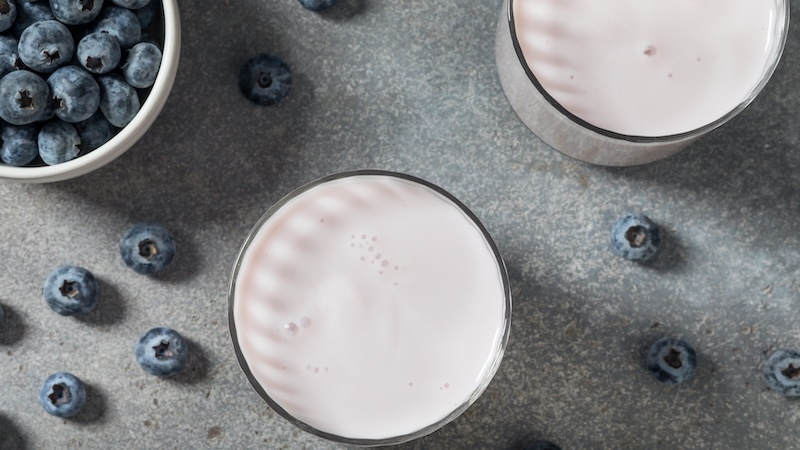
The right foods can help safeguard your health. The experts at Environmental Nutrition discuss how functional food and beverages can support long-term health plus the benefits of fenugreek.
Functional food and beverages for long-term health
by Jessica Bunch
Question: What are functional foods and beverages?
Answer: Functional foods and beverages are becoming a staple in modern nutrition, offering benefits that go beyond basic nourishment. These products provide essential nutrients while also delivering bioactive compounds – such as probiotics, antioxidants or omega-3 fats – that can support overall health and potentially reduce the risk of certain diseases. Their growing popularity reflects a shift toward eating with intention, where consumers look for foods that work harder for their well-being.
Functional foods fall into two main categories. Some are naturally functional, containing health-supportive components in their unprocessed form. Examples include blueberries rich in antioxidants, oats that supply heart-healthy betaglucan, and salmon loaded with omega-3 fatty acids. Others are fortified or enriched to enhance their nutritional value. Probiotic yogurt, vitamin-D-fortified milk, and omega-3-enriched eggs are common examples found on supermarket shelves.
The beverage sector is especially active, featuring options like kombucha and kefir for gut health, electrolyte drinks for hydration, and green tea for its antioxidant profile. While these products can complement a balanced diet, they are not substitutes for medical care. Instead, they serve as accessible, everyday tools to help support long-term wellness.
Fenugreek for food seasoning and health
by Kristen N. Smith, PhD, RDN
Question: What is fenugreek used for?
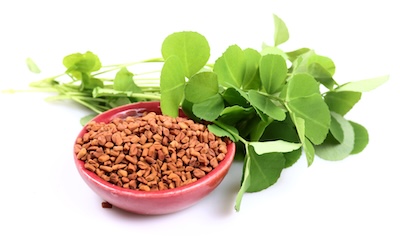
Answer: Certain foods that we use in the preparation of our meals not only provide flavor but often have health-promoting benefits. An example of this is fenugreek, a plant that is used in Middle Eastern and Indian cooking.
Fenugreek is found within commercially available blends of curry powder and can also be found in a range of drinks and foods. Historically, fenugreek (specifically fenugreek seeds) has also been used to help promote lactation, and to potentially help with the management of conditions such as diabetes, high cholesterol, digestive issues, high blood pressure, and more. Topically, fenugreek has been used to help decrease muscle soreness and inflammation.
Despite its long use, the science on consumption of fenugreek is somewhat limited. Though fenugreek (as a whole food) is considered safe, there is less information on fenugreek as an isolated dietary supplement. Possible side effects from fenugreek supplement may include gas, bloating, diarrhea and low blood sugar. Before including supplemental fenugreek (or any other compound), be sure to talk with your health care provider first.
Reprinted with permission from Environmental Nutrition, a monthly publication of Belvoir Media Group, LLC. Environmental Nutrition is the award-winning independent newsletter written by nutrition experts dedicated to providing readers up-to-date, accurate information about health and nutrition in clear, concise English. For more information, visit www.environmentalnutrition.com or call 800-829-5384.
©2026 Belvoir Media Group, LLC. Distributed by Tribune Content Agency, LLC.
Read related articles for your best nutrition on Seniors Guide:
Food Quality Provides a Healthy Diet