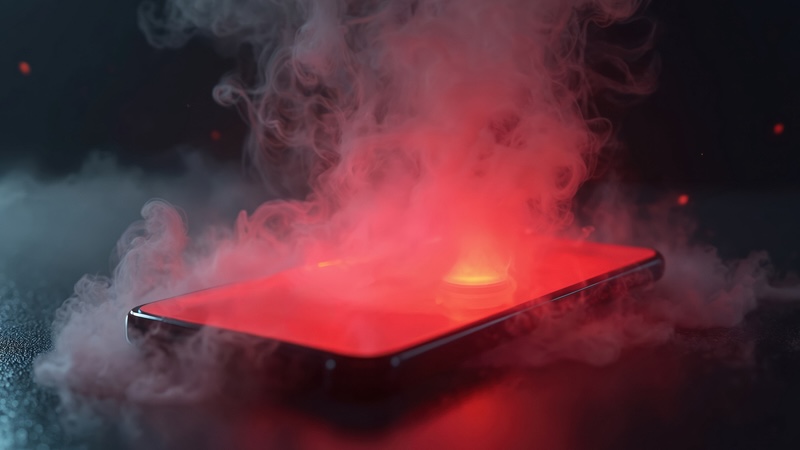
Whether you lit up or detested the smell of cigarettes, you probably recall the ubiquity of smoking decades ago, the rise of smoking sections, and the ultimate bans. Seniors Guide writer Margo Bartlett recalls all of those and sees a modern-day parallel: a humorous “smoke screen” that bridges the decades.
Not that long ago, everyone smoked.
Everyone except me, that is, and the man who became my husband, and possibly a few others. As lifetime nonsmokers, my husband and I were in the minority for years. Restaurant tables had salt and pepper shakers, condiment racks, and ashtrays, often full and still smoking from the last diners. The newspaper office where I dropped off columns every week was the classic smoke-filled room. Airplanes – airplanes! – had ashtrays in their armrests. When “smoking sections” were established, they were usually the rows between the other passengers and the restrooms.
If cigarette smoke bothered us, too bad. Smoking was a human right. Those who whined about the smell, the odor cigarette smoke left in our clothes and hair, the prospect of flying in a sealed metal tube full of other people’s exhaled tobacco didn’t understand the words “freedom of expression.”
Did the majority of the population smoke? It seemed so. I remember my childhood pediatrician smoking at his office desk. The wonder was that teachers weren’t allowed to light up in the classroom.
Surgeon General Luther Terry warned of the health hazards of smoking in 1964. C. Everett Koop, who followed Terry, called for a smoke-free society by 2000. That seemed as likely as seatbelts in cars, as likely as girls risking their ability to conceive by playing full-court basketball.
Restaurants were hazy with smoke. When non-smoking sections were offered, they merely meant nonsmokers were seated on the other side of the shoulder-high barrier that ran between double rows of booths. The old joke about peeing and non-peeing sections of the swimming pool wasn’t funny so much as illustrative.
The tide began to turn when tobacco companies were found guilty of lying about the dangers of smoking and of manipulating cigarette nicotine levels to ensure addiction. Humans will risk their own lives recklessly, but when their lives are put at risk by others so those others can get rich, humans don’t like it. Health departments pressed this advantage, and in time, smoking in public places was as frowned upon as smoking in church during your own wedding.
That habit was replaced by another, of course. Nature abhors a vacuum, and all those ashtray-free restaurant tables, armrests, and office desks were filled up in no time by, you guessed it, cell phones. They’re constantly in our hands; we hold them, fiddle with them, wave them around, and fidget nervously when we don’t have them.
Cell phones are now as ubiquitous as cigarettes once were, but their status is shaky. They have yet to be relegated to the outdoors, at least 10 feet from the main entrance, but theatergoers are sternly warned to silence them. Cell phones have been banned from many classrooms, and anyone who dares to light up a screen in a darkened movie theater is asking for the seething hatred of those around them.
Still, couples go to dinner together and spend the evening in quiet, solitary communion with their individual phones. Sometimes, one person studies his phone while the other gazes around the room, looking for a server, a friend, a security officer, anyone to talk to.
Granted, phones don’t give us a nagging cough or cause lung erosion. But they raise stress levels. Every Sunday morning, my phone tells me how many hours I spent looking at it the previous week. When that number comes up, I slap it away like it’s a wasp near my face. I don’t want to know that number.
Yet I rely on phones. Texting is a boon for people who don’t like phone calls. Email can be read or ignored, a double boon. Zoom calls with those we love are better than not seeing their faces at all; Zoom meetings remind us how pointless most meetings are, another double boon.
The ability to find information immediately is still thrilling to me. I wandered the world for years, wondering what Manfred Mann was singing in the chorus of “Blinded by the Light.” When phones became as common as pocket combs, I finally found out.
We can adjust hearing aids on our phones. We can follow life-saving GPS directions. We can set the alarms and tell our calendars to remind us of plans two days ahead. For those reasons alone, screens will always be with us. (Though who knows. I thought the same about Speak & Spell.)
But I dislike being in anything’s clutches. I dislike feeling even mild withdrawal when my phone isn’t available. I don’t want to give it up, but I do want to be able to live without it. Screens have too much of a hold on all of us. As long as music, crème brûlée, tiny green tree frogs, and Mary Oliver poems exist, the real world should be our primary focus.
Manfred Mann’s Earth Band sang, “Blinded by the light/Revved up like a deuce, another runner in the night.” Bruce Springsteen’s version is different. I’ll let you look that up for yourself. Your phone’s right there in your hand, after all.
More like “Smoke Screen” from Margo Bartlett: “Sleep Habits: Sleeping to the Max”