The average American consumes more than 3,300 milligrams (mg) of sodium per day, significantly above the federal recommendation of 2,300 mg of sodium or less. Since too much sodium can increase blood pressure and heart disease and stroke risk – which kill more Americans each year than any other cause – it is important follow these strategies for scaling back on salt.
Even if you rarely salt your food, chances are you consume way more sodium than is healthy. That’s because 70% of the sodium (a major component of salt) in the typical American diet comes from processed, prepared, and restaurant foods. The biggest sources include bread, deli meats, pizza, burritos, tacos, soups, and salty snacks.
The average American consumes around 3,300 milligrams (mg) of sodium daily, which far exceeds the recommended sodium intake of 2,300 mg per day. Eating too much causes your body to hold on to extra water to dilute the extra sodium. As a result, the fluid inside your blood vessels increases, raising your blood pressure and your risk of cardiovascular disease.
But even small cuts in sodium can help, according to two studies that explored the potential health impact of sodium reduction efforts in France and the United Kingdom (see “The health perks of lowering sodium in daily bread and standard fare”). In 2021, the FDA began phasing in voluntary sodium-reduction targets for food manufacturers, with a goal of eventually cutting sodium intake in the United States by 20%.
In your personal efforts in scaling back on salt, track your daily sodium intake and avoid foods high in sodium. “For people who’ve had a heart attack or a heart procedure, we recommend no more than 2,000 milligrams of sodium per day,” says Frances Parpos, a registered dietitian at Harvard-affiliated Brigham and Women’s Cardiac Rehabilitation Program in Foxborough, Massachusetts.
The health perks of scaling back on salt in bread and other foods
Cutting just a little salt from prepared foods on a national level could prevent large numbers of heart attacks and strokes, according to two studies in the March 2026 issue of Hypertension.
One study focused on modest sodium reductions in baguettes and other bread products in France. Beginning in 2022, the slight reductions — which cut sodium by 17% to 35% in those staple foods — went unnoticed by the French population. The resulting small drop in blood pressure could cut annual heart attack and stroke rates by about 1% each, saving more than 1000 lives, the researchers estimate.
Similar changes to packaged foods (such as bread, cheese, and meat) and takeout meals (such as burgers, curries, and pizza) could lower daily sodium intake in the United Kingdom by about 18%, according to the other study. Over two decades, that could prevent more than 100,000 heart disease cases and 25,000 strokes.
Seek out lower-sodium products
When shopping, choose brands low in sodium – ideally less than 140 mg per serving. That’s especially important for foods like breads and cereals, which people tend to eat frequently, says Parpos. Cereals that have added sugar may also have added (but often undetectable to your tastebuds) amounts of sodium.
Don’t be misled by high-sodium foods marketed as “light in,” “reduced,” or “less” sodium. “One popular brand of less-sodium soy sauce still has about 600 milligrams of sodium per tablespoon,” says Parpos.
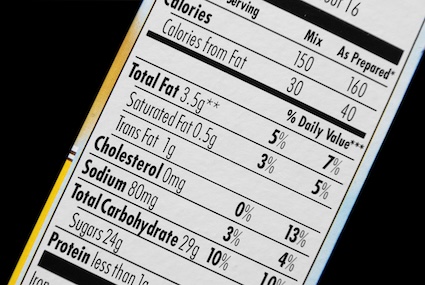
How to read food labels for sodium
Although label statements offer clues about a product’s sodium content, check the Nutrition Facts panel (found on the product’s back or side) to find the actual amount.
- If the label says sodium-free or salt-free, it means less than 5 mg sodium per serving.
- If the label says very low sodium, it means less than 35 mg sodium per serving.
- If the label says low sodium, it means less than 140 mg sodium per serving.
- If the label says light in sodium*, it means at least 50% less sodium than the original product.
- If the label says reduced or less sodium*, it means at least 25% less sodium than the original product.
*Note that foods with these phrases are not necessarily low in sodium, just lower in sodium than their standard counterparts.
Try less-salty sandwich alternatives
Deli sandwiches often contain close to 1,000 mg of sodium, thanks to the combo of a large bready roll, deli meats or cold cuts, cheese, pickles, and condiments. Instead of processed meat, use leftover grilled chicken, no-salt-added canned tuna, or sliced hard-boiled eggs, Parpos suggests. To trim sodium from pizza, choose a thin-crust version with vegetable toppings. On tacos and burritos, opt for less meat and cheese but extra corn, tomatoes, lettuce, and guacamole.
Have a restaurant game plan
Chain restaurants with more than 20 locations in the U.S. are required by the FDA to include nutrition information on their websites, so scope out the lower-sodium entree options in advance. Salad dressings, condiments, and sauces tend to be salty, so get them on the side so you can control how much you use. “If you’re going out to dinner, make sure your breakfast, lunch, and snacks are low in sodium, which can help you stay within your daily sodium budget,” says Parpos.
Julie Corliss is executive editor of Harvard Heart Letter.
©2026 Harvard University. For terms of use, please see https://www.health.harvard.edu/terms-of-use. Distributed by Tribune Content Agency, LLC.
Read more articles on salt and a balanced diet on Seniors Guide:
Salty Snacks can be Enjoyed in Moderation