Batch cooking is all the rage among social media influencers and fitness gurus. But it’s not just for those with large families. Batch cooking for seniors can help you eat healthier, lower your grocery bills, and reduce food waste.
How batch cooking works
Batch cooking is a meal-prep strategy that helps you get a jump on dinners for the week.
One approach is to prep key components for meals all at one time, including proteins, grains, and sauces. Then you combine them into complete meals either before storing them or later in the week. This enables you to mix and match ingredients into different meal combinations for variety. For example, you might slow cook several pounds of chicken breast, then cool and shred it. During the week, you can use it later for barbecue chicken sliders, chicken fajitas, and chicken salad over mixed greens.
Another approach involves cooking complete meals by making double or triple portions at once, then dividing the food into smaller servings to refrigerate or freeze for later. This method works especially well with dishes like lasagna, chili, casseroles, stews, and soups.
Benefits of batch cooking
Batch cooking has the potential to make your life easier, even if you’re retired. It doesn’t matter if you’re too tired to cook – your healthy meal is ready to reheat. Batch cooking for seniors promotes healthier eating and lower food bills. Here are five reasons you might want to give it a try.
- Lower food costs: When you buy meats, vegetables, beans, or grains in bulk quantities, the price per portion typically drops. Even if you only cook for one or two people, batch cooking lets you take advantage of discounts on large quantities at grocery and big-box stores.
- Healthier eating: Because you prepare your own meals, you control the ingredients and know exactly what’s in your food. And because you’ve planned ahead and have meals on hand to eat, you’re less likely to grab fast food or overly processed snacks when you’re hungry or tired.
- Saves time: Cooking large amounts of food at once means you’ll spend less time in the kitchen the rest of the week. You can also cut down on grocery store trips. This frees up more time to do the things you enjoy, from volunteer work to going on walks or visiting with friends.
- Lower energy usage: Since you’ll do most of your heavy cooking for the week all at once, you’ll use less electricity or gas than if cooking every day of the week. This will also help keep your home cooler during the summer.
- Less food waste: With batch cooking, you turn your ingredients into ready-to-eat meals instead of letting them get forgotten in the fridge.
Batch cooking for seniors
If you’re living on your own or with a partner, cooking a new homecooked meal every night may become overwhelming or just not seem like it’s worth the time and effort. Instead, you may turn to convenient but unhealthy options like prepackaged food and fast food, or even worse, you may skip meals.
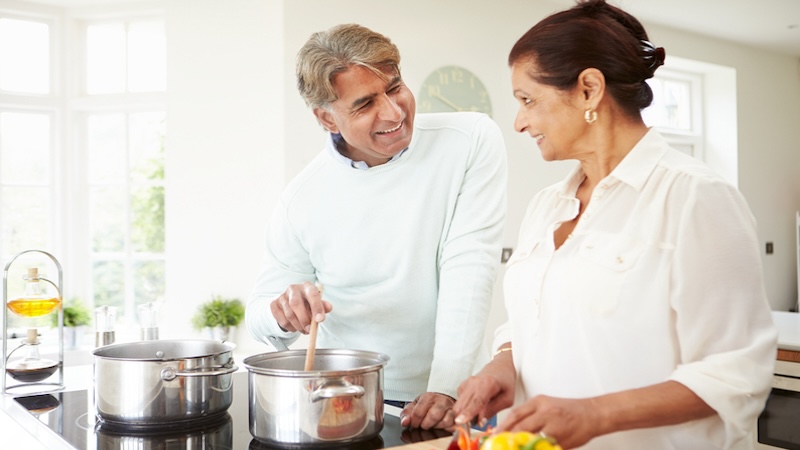
Batch cooking for seniors is ideal because it enables you to dedicate one afternoon in the kitchen to prepare quick, easy, homemade meals for the rest of the week. You can also design meals that meet special dietary requirements. While not addressing advanced prep specifically, research shows that meal planning and home cooking may even have cognitive benefits.
For seniors who struggle with meal prep, a weekend batch-cooking session with family can turn an overwhelming chore into shared time together – and help ensure healthy meals for the week.
Getting started
If you want to try batch cooking, begin by choosing a protein that you can include in meals throughout the week. Chicken breast is a good option because it’s versatile and can be used in many different dishes, like chicken enchiladas, chicken stroganoff, chicken chili, and chicken soup. Plus, it’s a good source of protein, an essential nutrient for older adults.
Slow cooking is an easy, low-stress way to cook chicken or a roast that takes minimal time and effort. After cooking, you can shred it and/or cube it, then assemble a complete meal or place it into containers to mix into dishes later in the week.
You can do the same with your favorite pasta. Cook it ahead, then cool it under running water and mix with a protein, vegetables, and sauce into a casserole. Sauces can be made in large quantities and stored in the freezer to create multiple meals over a long period of time.
Three ideas for batch cooking for seniors
A pasta dish like this party-size lasagna is a great option to batch cook because it’s easy to slice into smaller portions and refrigerate or freeze after cooling. Later, add a salad for a complete meal.
Sheet pan meals work well for batch cooking. Just prep vegetables and place on a sheet pan with your meat of choice, seasoning, and olive oil. This roasted salmon with potatoes and asparagus is delicious and nutritious. Treat yourself to one portion on batch-cooking day, then save the leftovers. Wrap each individual meal – salmon, asparagus, and potatoes – together in aluminum foil, then pull out each packet to reheat in the oven in the foil on a pan. Easy to eat and clean!
While seafood won’t keep as long in the refrigerator as some foods, crab cakes are great for batch cooking because they are easy to freeze into individual portions to serve different ways, such as a bed of rice, salad, sandwich, or main entrée with a side salad or hot vegetable.
The possibilities are endless and delicious and will make you smile all week long.