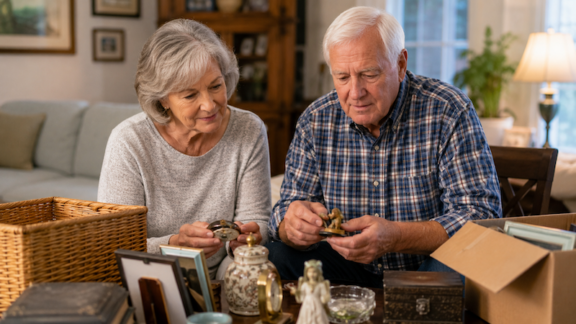
It’s tempting to put off planning and discussing matters pertaining to serious illnesses and death. End-of-life doula Jessica Sadler has seen firsthand the pain that ignoring these matters can cause. She emphasizes the importance of having end-of-life conversations before families face desperate decisions.
How many times have you seen reminders about estate planning or advance care planning and thought, “I’ll deal with that later”? It’s easy to dismiss the subject as uncomfortable, unnecessary, or something others can sort out when the time comes. But avoiding end-of-life conversations doesn’t make them go away. It can simply leave loved ones to make difficult choices without knowing what you wanted. Life rarely waits until we feel ready.
As an end-of-life doula, I often meet families in the middle of a crisis when desperation, confusion, and chaos are swirling all around. A sudden stroke, unexpected diagnosis, serious fall, or rapid decline forces loved ones into making life-changing decisions with little preparation. This is not the optimal time to make big decisions. Grief, shock, overwhelm, and inconvenience can create regret and resentment down the road.
Avoiding end-of-life conversations is understandable, because they are difficult. Aging adults may worry that discussing their wishes means giving up hope or losing independence. Adult children often hesitate because they fear sounding disrespectful, appearing interested in an inheritance, or causing unnecessary anxiety. Are both generations trying to protect one another?
End-of-life planning is about preparing for the reality that every family will eventually face. It isn’t just about lawyers and estate planning but about meaningful discussions that allow your wishes to be known while relieving your loved ones from making impossible decisions.
 One of the greatest burdens families experience is uncertainty. Too often, spouses and adult children are left asking questions they cannot answer and are forced to guess. Would Mom want to remain at home as long as possible? Would Dad want aggressive medical treatment? Who in the group is “in charge” if someone cannot communicate? Are there funeral preferences? Where are the important legal documents?
Even when they make thoughtful decisions based on love, many continue questioning their choices. They may replay conversations, wonder whether they honored their loved one’s wishes, and carry feelings of guilt for years where it could have been prevented through open communication.
Besides emotional burdens, there may be an enormous physical burden placed on loved ones to become fulltime caregivers or manage the many needs that arise from advanced illnesses.
Consequences of avoiding end-of-life conversations
After death, those responsibilities do not simply disappear. Families must notify banks, insurance companies, Social Security, pension providers, utility companies, and countless other organizations. Homes may need to be cleaned out after decades of accumulated belongings. Financial records must be located, accounts closed, and legal matters addressed. What many people expect to take a few weeks can stretch into months or even years. The financial impact can be devastating.
When important documents cannot be found or wishes have never been discussed, families may face unnecessary legal expenses, delays, overlooked benefits, unpaid bills, family disagreements, and financial mistakes. A lack of organization often costs both time and money during a period when families are already emotionally exhausted and may need to travel or work across great distances to take care of business.
Have conversations regularly
Fortunately, these burdens can be significantly reduced by having end-of-life or emergency planning discussions early. Even if legal matters are not always finalized, loved ones who must make decisions are aware and more likely to be on the same page.
Include intangibles. Discuss what gives your life meaning. Perhaps you want certain family traditions continued, special possessions passed along now with a story, photographs labeled, or letters written to future generations. These conversations create connections with those you love while you all remain present.
Talk about what matters most. Share your values, not just your paperwork. Discuss your beliefs in the kind of medical care you would want in different scenarios. Complete your advance directives and choose someone you trust to make healthcare decisions if you cannot, to be part of that conversation. Organize important documents and announce to someone close where these documents are stored.
An end-of-life doula can help make these discussions feel less overwhelming while offering non-medical education, guidance, and emotional support. We create a place for honest conversations, help families organize important information, and encourage everyone involved to ask questions they may have avoided for years. If you wait until an emergency or until you are diagnosed or your illness progresses, these conversations may never happen.
Many people are surprised to learn that working with a doula often doesn’t involve someone dying in the near future. I prefer working with healthy aging adults who can express their ideas clearly so there is no doubt about their wishes.
The greatest gift we can offer to the people we leave behind is not found in a will or a bank account. It is the peace of mind that comes from knowing they will never have to wonder what we wanted or where to find something. They can spend less time searching through drawers for documents and more time sitting beside us. Let’s not forget that these personal and important conversations are part of living. It’s connection, conversation, and learning more about the people we love the most.