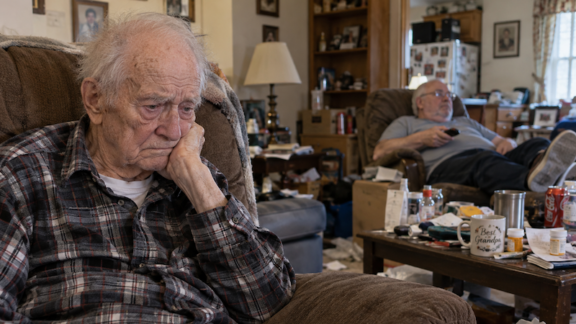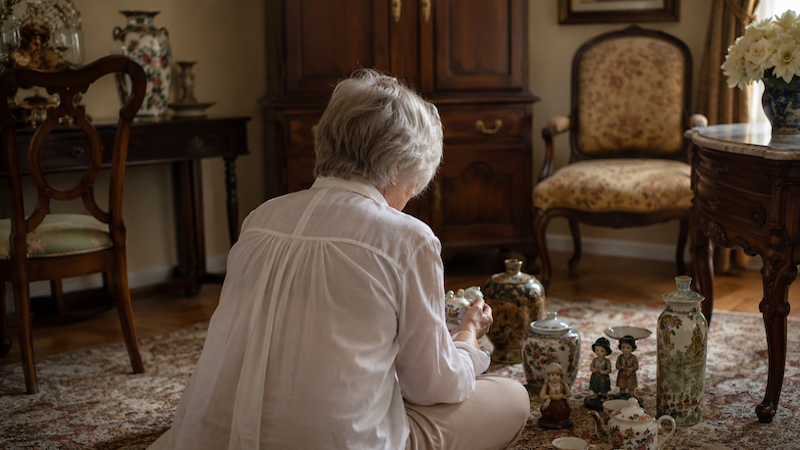
A woman who will be in charge of dividing belongings after her mother’s death is concerned about the potential sibling conflicts. Advice columnist Eric Thomas weighs in and shares other reader responses.
Dear Eric:
I have a question about dividing belongings after a loved one dies. My mother is over 90 and failing. She will not likely live long. She has a house full of things that have huge sentimental value to my siblings.
I have seven brothers and sisters that have varying relationships to my mom and I from estranged to very close.
As the executor, I am very concerned about how it will go after she passes. She has chosen one of her possessions to go to every child and grandchild, but this only puts a small dent in what she has. The emotions will be quite high.
Suggestions on how to handle this? Selling everything and splitting the money does not seem like the right thing to do.
– Concerned Daughter
Dear Daughter:
I’m sorry about your mother’s failing health. I’m sure that negotiating her care, your feelings and the questions around the estate is complicated and difficult. If your mother is willing, ask her to invite each child to come to the house before she passes, go through the sentimental items, and make a list of what they’d like. I’ve seen cases in which family members will go through a home and put stickers on things to “claim” them.
This allows your siblings, and you, the added benefit of connecting with your mom about these items before she’s gone. This also allows you to preview any items that might be contentious. If two siblings want the same thing, you can then tell them and ask them to work it out between each other in advance. If they can’t come to an agreement, perhaps you do a simple drawing to determine who takes it.
It’s best that you communicate your plan and the reasoning behind it with everyone clearly. You may even want to send the list out to everyone in advance, so there’s less possibility for confusion and recrimination. Emotions may still cause people to pull you into conflicts, but by front-loading your desire for fairness (and removing yourself from being the final word), you can add some peace and reason to a complex family dynamic.
Reply to Concerned Daughter on dividing belongings
Dear Eric:
I just read the letter and your response about how best to divide up the possessions of a mom over 90 among a large group of descendants (“Concerned Daughter”). Your response was fine, but perhaps there’s another way rather than putting stickers on items to claim things while mom is still alive, which we find to be a bit ghoulish.
Both my wife and I have been through the loss of our parents and found the following method has worked very well for dividing up sentimental possessions among the many brothers and sisters on both sides of the family.
We simply gave the children of the deceased alternating choices of the items up for grabs, one item at a time. You can draw numbers out of a hat if necessary to see who gets first dibs or even let the child who put in the most time caring for mom or dad have first pick. In our case, we simply let the oldest child choose the first item, followed by the next oldest, etc. Each person can choose only one item when it’s their turn.
By doing it this way, the kids had to put some thought into which items meant the most to them, and there were no complaints afterward.
I hope you and your readers find this helpful.
– All Getting Along
Dear Getting Along:
Thank you for this suggestion. If the letter writer, or anyone else facing a similar situation, wishes to wait until after a relative has passed before having conversations about where the relative’s possessions will go, this might be a good option.
Many other readers shared their experiences, as well.
Some have found success having good-natured “family auctions” with Monopoly money, letting family members sign up for items that they want to take home, or having an event during which family members share about what certain items mean to them or make them remember about the deceased. All good options, depending on the make-up of the family or wishes of the deceased.
The key to success is communicating about intentions, before death if possible, and also after a loved one passes.
 R. Eric Thomas (he/him) is a national bestselling author, playwright, and screenwriter. His accomplishments include “Eric Reads the News,” a daily humor column covering pop culture and politics, serving as the interim Prudie for the advice column “Dear Prudence,” and “Congratulations, The Best Is Over.”
Send questions to eric@askingeric.com or P.O. Box 22474, Philadelphia, PA 19110. Follow him on Instagram and sign up for his weekly newsletter at rericthomas.com.
©2025 Tribune Content Agency, LLC.
Like this advice about dividing a loved ones’ belongings, read more life guidance, from conflict over parents’ move, changing health care proxy, caregiving in a marriage, and more:
Boomer Advice for Life department
For advice targeted to senior adults and their families – caregiving, grandparenting, retirement communities, and more:
Asking Eric on SeniorsGuide.com