
Daily steps benefit our physical and mental health, so it’s important to be safe while you’re heading toward your goal. These walking safety tips can help.
Whether you’re just headed to your neighborhood store, meeting friends for a meal, or doing your aerobic duty, walking can be an easy, cost-effective way to get you from here to there.
Walking is also a great form of exercise, which has a plethora of benefits for both your mind and your body. This low-investment, no-skills-needed fitness activity has been shown to lift spirits and reduce stress levels. When you walk with people, it can make you feel more connected and happier. On the health side, getting out and stretching your legs can lower your blood pressure and blood sugar, strengthen your bones, and stimulate your digestive system, among many other positive effects. Walking can even slow cognitive decline.
Not without its risks
While hoofing it definitely has its advantages, it can also put you in a rather vulnerable position considering the much larger and faster vehicles sharing the roadways with you. In fact, it can be downright dangerous. In 2024, a pedestrian was killed every 74 minutes in the U.S., according to the National Highway Traffic Safety Administration (NHTSA) with 71,000 more injured during that year.
You might assume that drivers are looking out for you as you walk down the streets of your neighborhood or even traverse busy city streets, but many aren’t – and it only takes one to ruin your walk.
“Very first tip I would say [for pedestrians] is remember that most people that are behind the wheel are not behaving the way they’re supposed to do,” Andy Boenau, director of the Department of Transportation in Richmond, Virginia, told WRIC News. The city has seen an increase in pedestrian fatalities in the past year and is making roadway modifications to prevent future accidents. “So, if you’re walking downtown, you’ve got to be expecting that people are doing some things they shouldn’t, like holding their phones while they’re driving, maybe driving a large vehicle where they can’t see you as well as they could in a smaller vehicle. So, just be hyper-aware for those reasons.”
Looking out for yourself
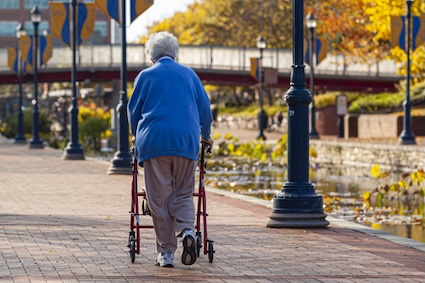 To stay safe when you’re walking, you should follow the rules of the road just like the cars and trucks on the roads with you. The NHTSA offers this advice to walkers:
- Stay on sidewalks where they are available. If there are no sidewalks, walk against traffic so you can always see vehicles as they approach – and stay as far away from those cars as possible.
- Cross at crosswalks or intersections using the traffic or pedestrian lights. Even so, some cars may still have the right of way to travel the same patch of pavement, as with drivers making turns, so never assume you’re safe. Be vigilant of who may be coming your way.
- Wait for drivers to come to a complete stop before crossing and try to make eye contact to ensure they see you.
- When you don’t have a light, wait for a sufficient gap in the traffic. Don’t try to outrun a car.
- Stay alert to vehicles backing out of driveways and exit parking spaces.
Be vigilant and strategic
Here are a few more tips to help you stay safe:
- There are times and places where you may be a target for theft or an attack. Always stay in safe, well-lit areas, and well-traveled areas, where you can detect a potential thief’s approach and other people around you might become aware of an ongoing crime.
- Don’t carry a lot of shopping bags or other items. Carry a smaller purse that you can keep close to your body or even inside your coat.
- Stay alert to what’s going on around you. Avoid distractions like headphones or scrolling or talking on a phone.
- Walk with your chin up and shoulders back to project confidence.
- Tell someone where you are going and when you plan to return. Check in with that person when you reach your destination.
- Walk with others when possible.
- In addition to being aware of your surroundings (whether for safety or soaking in the natural world!), you want to be aware of where you step, especially on trails and along older sidewalks.
- While walking during the daylight is ideal, you may find yourself strolling at night instead, such as after dinner or a long day away from home. When you’re taking your nighttime constitutional, stay lit with a reflective and illuminated vest and a flashlight or headlamp.
A friend of mine who recently turned 75 believes that her regular walking habit of seven to 10 miles a day has kept her young and in good health. She says it’s her medicine. Strolling the beach town where she lives is also a great way for her to connect with friends (it’s how I got to know her better!) and visit her favorite shops and restaurants without fighting for a parking space.
But when she laces up her walking shoes, she takes a healthy dose of caution along, too. She has no intention of letting her love of walking make her another statistic.