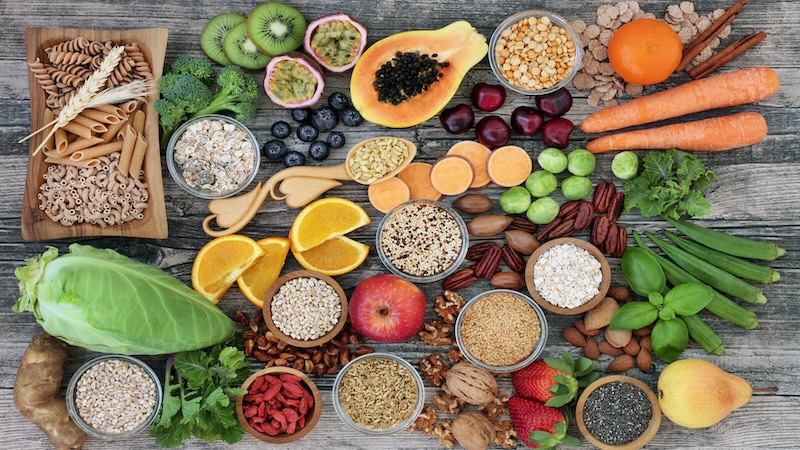
Fiber is an essential nutrient that supports digestion, promotes healthy weight management, and may reduce your risk of conditions like diabetes and heart disease. However, if you boost your fiber intake too quickly, it can cause bloating.
This is because your body can’t fully digest fiber. Instead, your gut produces bacteria that break it down, releasing gas as a byproduct. This gas can build up in your stomach and intestines, causing your abdomen to feel uncomfortably tight and full. Fortunately, there are ways to get more fiber while minimizing bloating.
What is fiber?
Dietary fiber is a carbohydrate derived from plant-based foods like fruits, vegetables, and grains. There are two types: soluble and insoluble fiber.
Soluble fiber binds with water in your gastrointestinal (GI) system and becomes a gel that slows digestion. Sources of soluble fiber include:
- Barley
- Beans
- Fruits
- Lentils
- Nuts and seeds
- Oat bran
- Peas
- Vegetables
Insoluble fiber speeds digestion. Sources of insoluble fiber include wheat bran, whole grains, and vegetables.
How much fiber do you need daily?
The National Institutes of Health (NIH) advises that women consume 25 grams (g) of fiber daily, while men aim for 38 g. However, most people in the United States only eat 16 grams daily.
What are the benefits of fiber?
Most people in the U.S. don’t get enough fiber. Adding more fiber to your diet may help:
- Promote healthy digestion and bowel movements
- Satiate your appetite
- Support healthy weight management
- Manage blood sugar by slowing sugar absorption
- Reduce risk of conditions like diabetes, stroke, high blood pressure, colon cancer, and heart disease
- Soluble fiber also helps lower cholesterol, which might protect against heart disease.
Why does fiber make you bloat?
Bloating occurs when gas builds up in the stomach and intestines, causing you to feel abdominal pressure. About 20% of people in the United States report having experienced bloating in the last week.
Research has shown that increased fiber intake is a common cause of bloating. Because your body cannot fully break down fiber, your gut produces bacteria to break it down and ferment it. This process releases gas as a byproduct, which can lead to bloating. The key to avoiding these side effects is to add fiber to your diet gradually so your body can get used to it.
If you boost your fiber intake too quickly, it may also cause:
- Gas
- Constipation
- Diarrhea
- Cramps
How to boost your fiber intake
You can reap the benefits of fiber while minimizing bloating. Consider these habits:
- Increase your fiber intake gradually: Rather than loading up on fiber all at once, let your body get used to fiber in small amounts. Slowly increasing your fiber intake over several weeks can help you avoid bloating and other gastrointestinal symptoms.
- Incorporate as much variety as possible: Foods with soluble fiber often produce more gas than foods with insoluble fiber. However, your body needs both types. By sampling a variety of fiber sources, you can find high-fiber foods that agree with you over time.
- Stay hydrated: Drinking eight glasses of water daily can help decrease bloating.
- Eat more carbs: A diet rich in carbohydrates rather than protein may alleviate bloating while boosting your fiber intake. Research has found that carbs might play a role in altering gut bacteria that produce gas.
Health delivers relevant information in clear, jargon-free language that puts health into context in peoples’ lives. Online at www.health.com.
©2026 Dotdash Meredith. All rights reserved. Used with permission. Distributed by Tribune Content Agency, LLC.
Read more about fiber, nutrition, and health on Seniors Guide:
How, and Why, to Fit More Fiber and Fermented Foods Into Your Meals