You may know author Judith Viorst from her much-loved children’s book, “Alexander and the Terrible, Horrible, No Good, Very Bad Day,” or one of her 15 poetry collections. Now, at 94, she has published what could become a nonfiction classic that aims to help people find happiness as they age: “Making the Best of What’s Left: When We’re Too Old to Get the Chairs Reupholstered.”
“I really want to be good at old age,” Viorst writes. “If they’re giving out grades for old age, I want an A-plus.”
Viorst’s insights center on people 80 and older in what she calls the final fifth of life, driven by the challenges and joys she and her friends in this age group have been experiencing: “Changes in our body and brain. Changes in where we’re living. Changes in what we can and no longer can do. Figuring out how to balance freedom and loneliness.” And, Viorst jokes, “the question of whether it would or wouldn’t be woefully wasteful to have a couple of fraying chairs reupholstered.”
Viorst has had a longtime passion for pondering periods of life, publishing humorous poetry collections in each decade, starting with “When Did I Stop Being 20 and Other Injustices,” published in 1987. She has generally been happy with her nineties so far. Four years ago, when asked which decade she’d want to return to, Viorst writes, she astonished herself, saying: “I’d just like to push the hold button down on RIGHT NOW” because she loved her husband, journalist Milton Viorst; had three sons and grandchildren who were doing well; had great, longtime friends; and “had been spared time’s harsher assaults on my body and mind.”
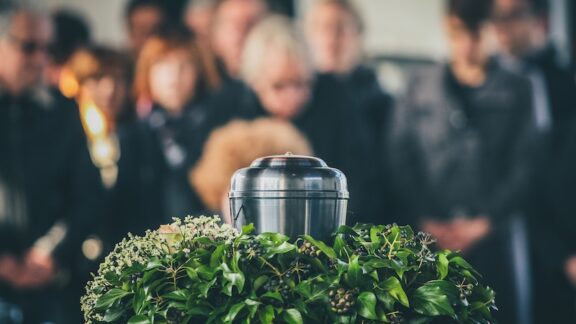
Milton died shortly after, at 92, in 2022. Being on her own after nearly 63 years of marriage, along with her experiences moving to an independent-living retirement community near her former Washington, D.C., home, helped inform the advice she offers on aging in her new book.
Some takeaways from ‘Making the Best of What’s Left’
Master the money.
If you are married or have a partner, don’t leave the job of managing your finances to them, Viorst urges — a lesson she has learned the hard way.
“We shouldn’t be as pathetically clueless as I have always been about the practicalities of life,” Viorst writes. Milton, she says, “paid the bills, got the car inspected, got us insured, did the taxes and knew where all our important records were stored.”
Now, Viorst says, “there are many unfamiliar and highly uncongenial tasks” she is frantically learning how to do because her husband isn’t around to do them.
Fight invisibility.
Try not to let others make you feel lesser because of your older age. “Sometimes we’re treated like elderly people. But sometimes we’re treated as if we’re not even there,” says Viorst, noting that women are particularly likely to experience this. Her advice: Don’t give others reasons to make you feel invisible by putting constraints on yourself about what you truly can do.
Pursue independent interests.
If you’re married or in a relationship, Viorst suggests, spend some time cultivating “separate interests, separate friendships and a separate sense of who we are when who we are is not a part of a pair.” Research has shown that maintaining and bolstering social connections is key to staying healthy as you age. Doing so can also prevent you from feeling alone if your partner dies before you do.
Look for ways to find purpose.
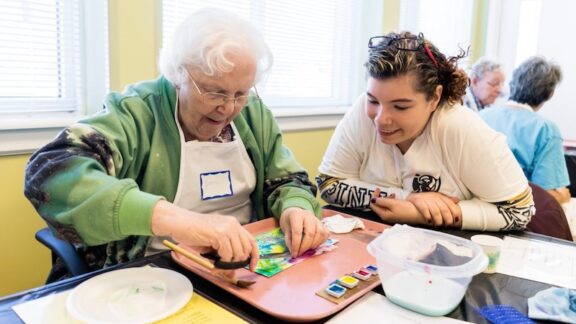
“All of us need a reason to make meaning in the final fifth of our life,” she writes. That might involve doing more of the activities you love, trying something new (probably closer to tap-dancing than to marathons, she muses), or finding someone to guide or mentor. In her case, Viorst says, every morning she goes to her desk to “try to write the loneliness out of my heart.”
Related: Successful Aging Secrets from ‘Healthy to 100’
Richard Eisenberg is a contributing writer at Kiplinger Personal Finance magazine. For more on this and similar money topics, visit Kiplinger.com.
©2026 The Kiplinger Washington Editors, Inc. Distributed by Tribune Content Agency, LLC.