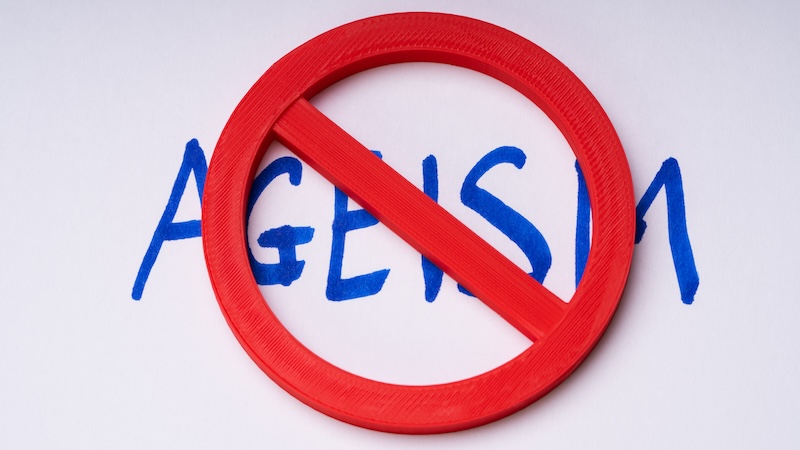
An older woman feels patronized when strangers call her “honey.” Is “honey” ageist when used to address seniors? Is it disrespectful? Advice columnist Eric Thomas and two readers share their perspectives.
Dear Eric:
I am a 70-year-old woman. I am having difficulty knowing how to respond to store clerks who call me “honey” or “sweetie.” I am offended when they address me that way. It feels demeaning and disrespectful. What is the best way to respond when I experience this situation?
– Not Honey
Dear Not Honey:
Some of this may be regional or cultural. I grew up in an area where everyone was “hon,” for instance. This isn’t to say that you just have to accept it. But the offense may not be intended.
If these interactions are short, one-time greetings, it may be best to choose your battles. If you’re never going to see this person again, there’s little to gain by correcting them. But if you see someone regularly, you might invite them to call you by your name instead.
Reply from a reader on whether ‘honey’ is ageist
Dear Eric:
A 70-year-old woman wrote to you about being addressed as “honey” or “sweetie” (“Not Honey”). I know there are parts of the country where everybody is “hon,” but I think you missed this woman’s point. One of the most disturbing – painful – things about growing older, and especially if you’re a woman, is that older adults are often marginalized and treated as though we are children or childlike and no longer functioning members of the adult community. Calling an older woman “sweetie” can be intended as friendliness, but, whatever the intent, it can be experienced as microaggression and marginalization.
Thanks for all the kind advice you provide. I hope you’ll extend more of that kindness and understanding to the letter writer’s experience.
– Respect
Dear Respect:
You’re absolutely right and I appreciate you, and the letter writer below, for pointing out this blind spot.
Another reader view on elderspeak
Dear Eric:
I enjoy your column and thoughtful answers. It’s impossible to get the tone right every time, so I hope it’s OK to comment on your answer to “Not Honey,” a 70-year-old woman being addressed as “honey” and “sweetie.”
You meant well, but beginning with a comment that it could be a regional or cultural phenomenon was implicitly dismissive. And nothing in your reply seems to recognize that this is a common, patronizingly ageist way of addressing people. It treats older people as if they are children incapable of fully understanding (applying the same infantilizing tone and diminutives used to address small children). Sometimes it comes from an assumption that because they’re old, they must be cognitively impaired.
It’s quite belittling. And yes, any one person who does it might not be encountered often, but the older person may encounter it multiple times (from different people) in the same week.
– No Ageism
Dear No Ageism:
Thanks for your letter. I certainly didn’t mean to come off as dismissive. My hope in publishing your letter is that it gives readers another perspective to consider in their own interactions. It’s always helpful to learn more about other people’s contexts, so that intention and impact can be more aligned.
 R. Eric Thomas (he/him) is a national bestselling author, playwright, and screenwriter. His accomplishments include “Eric Reads the News,” a daily humor column covering pop culture and politics, serving as the interim Prudie for the advice column “Dear Prudence,” and “Congratulations, The Best Is Over.”
Send questions to eric@askingeric.com or P.O. Box 22474, Philadelphia, PA 19110. Follow him on Instagram and sign up for his weekly newsletter at rericthomas.com.
©2025 Tribune Content Agency, LLC.
Like this advice about addressing ageism, read more life guidance, from advice about dying friends, caregiving in a marriage, not receiving thank yous, lonely caregivers, and more:
Boomer Advice for Life department
For advice targeted to senior adults and their families – caregiving, grandparenting, retirement communities, and more:
Asking Eric on SeniorGuide.com