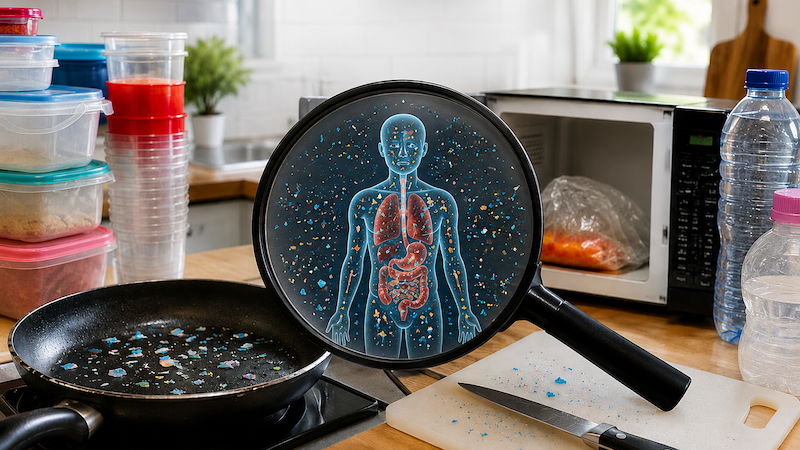
Are plastics infiltrating our bodies and harming human health? Early evidence indicates that small plastic particles are causing an array of issues, including in older adults. Seniors Guide writer Lisa Monroe looks at the problems of microplastics and seniors’ health and how individuals can protect themselves.
Microplastics are polluting ecosystems around the globe and, shockingly, they have been found throughout the human body. Older adults may face unique concerns because of decades of cumulative exposure and age-related changes in the body’s ability to respond to environmental stressors. Researchers are investigating how these particles may affect human health by accelerating aging and contributing to health issues such as inflammation and dementia.
What are microplastics and where do they come from?
Microplastics are tiny fragments of plastic, about the size of a sesame seed. Particles that are even smaller, called nanoplastics, are invisible to the naked eye and may be able to penetrate tissues and cells more readily. They come from two main sources: plastic products that are manufactured to be small, such as microbeads in cosmetics and industrial pellets, and from the prolonged breakdown of plastic items such as bottles, bags, packaging, and clothing.
How microplastics and seniors’ health are intertwined
Unbeknownst to most of us, we can and do consume microplastics through food or drink, breathe them in through the air, and absorb them through the skin. Researchers are still working to understand the extent of their effects on the human body.
Food and drink
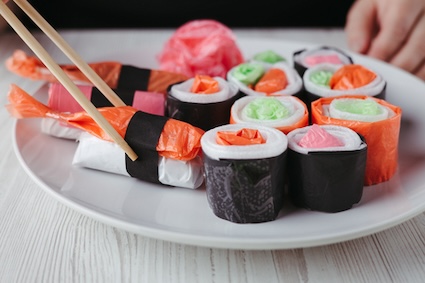
Ingesting plastic through eating and drinking is the most common route. They can be present in processed meats, produce, and beverages, including bottled water and soda. Even aluminum cans have a thin, plastic-based interior coating. When food is stored or prepared in plastic containers – especially when heated – thousands of microplastics leach into the food.
Airborne
Microplastics are suspended in the air as microscopic dust and fibers that waft off synthetic clothing, carpets, furniture, and car tires. When we inhale these suspended particles, they can become trapped in the lungs or make their way into the respiratory tract.
Dermal absorption
Microplastics, especially nanoplastics, may be absorbed through the skin in cosmetics, lotions, and sunscreens, although the skin provides a barrier against larger particles.
Once inside the body, some microplastic particles may be excreted, but others appear capable of persisting in tissues. Research suggests that smaller particles can enter the bloodstream and accumulate in various organs over time, and scientists are still studying how efficiently the body clears them. Since they are synthetic, they build up over time. Research has shown these plastics accumulate in in major organs and in tissues. They may flow through milk, as with nursing mothers or dairy products we eat and drink. Nanoplastics are particularly dangerous because they are so small that they can infiltrate cells.
While the full extent of the damage caused by environmental pollutants like microplastics is still unknown, a growing body of research is beginning to shed light on the detrimental effects these substances may have on the human body.
For example, Stanford Medicine cites research on cells that shows potential links between microplastics and everything from cancer and heart attacks to reproductive issues. Some research studies suggest that microplastics may contribute to inflammatory responses and other biological processes associated with aging. While much of this research has been conducted in laboratory and animal models, scientists are investigating whether similar effects occur in humans.
‘Older adults face a unique double burden’
Aleece Fosnight, medical advisor at Aeroflow Urology and a board-certified physician assistant specializing in urology and women’s health, expresses concern about how plastics are harming seniors’ health.
She explains, “Older adults face a unique double burden when it comes to these particles: decades of cumulative lifetime exposure combined with age-related declines in detoxification, immune function, and tissue resilience that can amplify the harm.”
Fosnight is especially interested in emerging research examining possible connections between microplastics, dementia, and bladder health. “The research that concerns me most is a recent 2025 study published in Nature Medicine that found human brain tissue contains microplastic concentrations three to five times higher in individuals with documented dementia compared to those without, and brain concentrations overall rose roughly 50% between 2016 and 2024.” The study identified an association between microplastic concentrations and dementia but did not establish that microplastics cause dementia. Researchers say more studies are needed to better understand the relationship.
Microplastics also impact bladder health. “Within the urinary system, microplastics have been detected in bladder tissue and are linked in laboratory studies to inflammation, oxidative stress, and tissue injury – all mechanisms that could plausibly worsen the bladder issues many seniors already manage, including overactive bladder, incontinence, and concerns around bladder cancer,” Fosnight said.
Small changes can help protect you
While research shows that microplastics can negatively impact our health, these findings are still relatively new. With what we do know, it makes sense to start taking precautions to reduce the microplastics in our daily lives.
While microplastics seem to be difficult to avoid, making “small, consistent changes can significantly lower your exposure,” writes Adam Rosenbluth, M.D., of AARP.
“The most impactful changes for older adults happen in the kitchen, where ingestion is the dominant exposure pathway,” says Fosnight.
Steps to control microplastics and seniors’ health
1. Avoid single-use plastics.
Limit use of plastic water bottles, utensils, and storage, and toss after initial use. Avoid getting any plastic-packaged product hot (in the sun or the microwave, for example.) Take natural cloth bags to the market for packing produce.
2. Switch to glass, ceramic, or stainless steel.
Fosnight recommends swapping plastic food storage for glass or stainless steel and never microwaving food in plastic containers, and find alternatives to plastic cutting boards and cooking utensils. Choose ceramic cups for hot beverages. Note, too, that some tea bags are made of plastic, so steep your tea in a reusable stainless-steel steeper instead.
3. Choose filtered tap water.
Look for a faucet filter that also removes plastic particles.
4. Avoid products with phthalates, including some scented products.
Some products contain phthalates. Often used to make fragrances last longer, phthalates easily leach out. The term may not appear on product labels, so avoid scented products such as hair sprays, soaps, and cosmetics unless they’re specifically labeled as “phthalate free.” Small producers, as at local markets, may avoid phthalates in their products – just ask.
Phthalates are also used as “plasticizers” to make plastics softer and more durable. Though not typically in plastic food storage containers, they are used in items such as shower curtains, medical tubing, and vinyl items.
5. Try these other ideas for eliminating microplastics for seniors’ health.
Use natural fabrics rather than synthetics in clothing, sheets, upholstery, and curtains. Use a vacuum cleaner with a HEPA filter, opening windows to let in fresh air when possible and running an air purifier in living areas.
Don’t feel helpless when it comes to microplastics and seniors’ health
Although scientists are still learning about the long-term health effects of microplastics, many experts believe it is reasonable to take practical steps to reduce unnecessary exposure. Small changes in daily habits may help limit contact with microplastics while research continues to evolve.
“Small, consistent swaps add up, and they are the most meaningful way seniors can lower their daily microplastic burden while the science continues to develop,” Fosnight says.