
Don’t let the heat ruin your summer fun – or your health. By knowing that heat and chronic illness don’t mix and knowing how to respond, you can keep the party going.
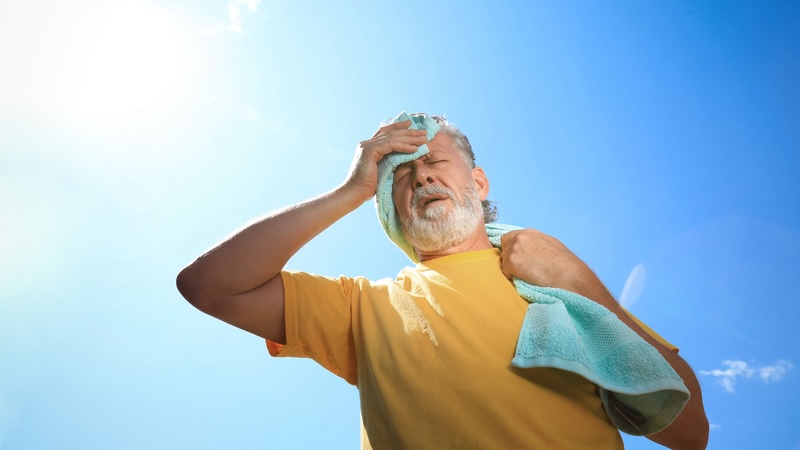
You’re at a cookout on a hot summer day, enjoying the grilled chicken kebabs your son-in-law just cooked on the grill. Suddenly, you start to feel dizzy and a little nauseated. What’s happening to you?
Regulating body temperature
“When it’s very hot outside, your body has to work hard to stay cool. It does this by sweating and by moving more blood to the skin so heat can escape,” explains CareMore Health’s regional medical officer, Dr. Heather Swanson. However, as you age, your sweat glands and your circulation don’t work as well as they used to, making it harder for your body to regulate its core temperature and potentially leading to heat exhaustion or heat stroke. And if you suffer from a chronic medical condition or take certain medications, it can put you in even greater danger when you’re out in the heat.
Managing heat and chronic illness
Here’s how some chronic conditions worsen the effects of heat and some precautions to mitigate the risks of mixing heat and chronic illness.
Heart disease
Heart disease can make it more difficult for your heart to pump blood to your skin to cool you off. This can put a dangerous strain on your heart and can increase your risk of a heart attack and other cardiovascular issues.
Precautionary measures: According to Harvard Health Publishing, it’s important to drink 8 ounces of water every 20 minutes and don’t wait until you’re thirsty. (Avoid soda and fruit juice as it may slow the passage of water to the bloodstream and alcohol increases urination; some studies show that drinking an excessive amount of alcohol could even increase your risk for heat stroke.) However, if you have congestive heart failure that causes you to retain fluid, which can cause swelling, or if you take diuretics, consult your physician about how much water you should drink.
Diabetes
 With diabetes, you’ll sweat less, which hinders your body’s ability to sustain its core temperature. Diabetics are also more likely to become dehydrated, which can lead to high blood sugar levels and an increase in urination, further accelerating dehydration. Plus, the CDC cautions that hot days can alter how your body absorbs insulin and cause dramatic swings in your blood sugar.
Precautionary measures: Keep a close eye on your blood sugar, especially before, during and after you’re active, as you may need to adjust the amount of insulin you use. Also, keep insulin or oral diabetes medicine out of direct sunlight or in a hot car.
Kidney disease
When the weather is sweltering, losing too much fluid from perspiration can be extremely dangerous for those with kidney disease. These reduced fluid levels, or dehydration, can strain kidney function, limiting blood flow to the kidneys and impeding waste removal. Fluid loss can also trigger an electrolyte imbalance, which can cause many complicationsincluding an irregular heartbeat, changes in blood pressure, and in more serious cases, heart attack or seizures.
Precautionary measures: Getting enough fluids on hot days can be a delicate balance if you have kidney disease. Too little can cause dehydration, especially if you’re on diuretics; however, too much can result in swelling and high blood pressure because your kidneys have difficulty processing and getting rid of excess fluid. Work with your doctor to determine how much fluid to drink when you’re out in the hot sun.
Respiratory diseases
For those with respiratory diseases, like COPD and asthma, breathing in hot, humid air can cause airways to become inflamed as well as narrow them. This can make you short of breath.
Precautionary measures: Use a dehumidifier in your home to keep humidity levels down. Always keep quick-relief medications, such as inhalers, with you and follow your Asthma Action Plan or COPD Action Plan.
Cognitive impairments
Cognitive impairments, such as Alzheimer’s disease or other types of dementia, as well as Parkinson’s and multiple sclerosis, may make it more difficult for you or someone you love to realize that they’re overheating and therefore, take steps to cool off.
Precautionary measures: Those with cognitive impairments should stay out of the heat as much as possible, but if they go outdoors, they’ll need to do so with caution and have someone keep an eye on how they respond to the heat. See below for ways you can help them.
Medications
Certain medications can impact how your body manages heat. These drugs “can reduce sweating, affect blood pressure, or make you less aware that you’re overheating,” says Swanson. For example, ACE inhibitors or ARBs, which control high blood pressure, can reduce your ability to sense thirst and potentially lead to dehydration, while beta blockers, another heart medication, can reduce blow flow to the skin as well as sweating. Diuretics, which increase urination, can also cause dehydration. Other medications have different or amplified side effects on a hot day, like opiates and antidepressants, which can result in sedation and cognitive impairment, and antibiotics and cholesterol drugs, which can cause sun sensitivity.
Precautionary measures: If you’re experiencing symptoms that may be caused by the heat, consult your physician about possibly adjusting the dosage or frequency of your medications during the hot summer months, but never adjust or stop taking any medication on your own.
Helping high-risk seniors
Many seniors “don’t recognize danger, don’t take protective action, and don’t get help until it’s too late,” explains Swanson. If your loved ones, especially those with physical and cognitive limitations, are going out in the heat, be sure to keep an eye on them and watch for signs of heat-related illness, such as fatigue, headache, dizziness, and confusion (if you’re not there with them, check in with them regularly). “Having someone who will check in, notice changes, and intervene dramatically lowers risk,” Swanson adds.
Below are some steps you should take to protect yourself or older family members, friends, and neighbors from adverse effects from the heat and chronic illness issues:
- Try to keep your loved one out of the sun and move them to shade such as a tree, porch, or umbrella whenever possible.
- Make sure that they wear loose, lightweight clothing in light colors to reflect the sun as well as a broad-brimmed hat.
- Advise your family member to drink plenty of water (see cautions above for conditions that affect this guidance)and limit their activity in the heat.
- Watch carefully not only for obvious signs of overheating but also for more subtle symptoms, such as fatigue, confusion, and dizziness. If you notice these changes, move them to a cooler space immediately, loosen their clothing, and if that doesn’t help, have them take a cool shower.
- Many heat-related senior deaths occur inside a person’s home. Make sure your loved one has properly working air conditioning or fans, use room darkening shades or blinds on sunny days, and keep an eye on their indoor temperature. If the temperature gets too hot, move them to an air-conditioned public space like a senior center, a restaurant or mall, or a cooling center.
- Be aware of the potential side effects of their medications during extreme heat and discuss any changes, like low blood pressure, decreased urination, and confusion, with their doctor right away.
When you think of summer, you may think of gardening, beach trips, taking your grandkids to the park, and other fun outdoor activities. However, if you’re not careful, the heat of summer can quickly put an end to your fun. As the mercury climbs, take the necessary precautions for yourself and your loved ones so you can make this summer the best one yet.
Article reviewed and approved by Dr. Heather Swanson, explains CareMore Health regional medical officer.
Related: Keeping Seniors Safe in Summer Heat