
Signs of epilepsy in older adults can be more subtle than in younger people: blanking out, staring into space, making repetitive movements, having dizzy spells, and more. Knowing the signs can help a senior get a proper diagnosis and decrease the risk of harms, including faster cognitive decline, mood disorders, and safety risks. Seniors Guide writer Eric Wallace explains.
If you’re like me, you probably think of epilepsy as a disease that’s diagnosed early in life. And while that is partly true, an equal number of people develop the condition after age 55.
“Across a person’s lifespan, there are two times when the chances of developing epilepsy are the highest,” UChicago Medicine neurologist Hiba Haider writes. Those periods are “in children in their first year of life, and in adults ages 55 and up.”
Given that one in every 26 Americans will be affected by epilepsy, the bimodal distribution is worth some consideration. The disease is characterized by unprovoked and recurrent seizures that stem from abnormal electrical activity in the brain. While these often present as full-body episodes for children, symptoms can be very different for seniors.
“Older adults account for 25% of first-time seizures,” New-York-based neurologist and former American Academy of Neurology president Orly Avitzur writes. “Yet many unknowingly discount these glitches as senior moments, fatigue, or just having an ‘off day.’”
Here, we walk you through the basics of late-onset epilepsy, including common causes, warning signs, potential dangers, and when to seek medical advice.
Increased risk of epilepsy in older adults
The Epilepsy Foundation (TEF) says the late-onset version of its namesake condition is actually the third most diagnosedneurologic disorder among seniors, second only to dementia and stroke. And to make matters worse? Complications from the latter can trigger the disease’s patent seizures.
These are some of the most common medical issues associated with late-onset epilepsy, according to TEF.
- Strokes. Disrupted blood-flow within the brain can cause scar tissue to form on affected areas. The natural repairs then disrupt electrical signals and trigger seizures in about 10% of patients.
- Dementia. Studies have shown that people with Alzheimer’s or dementia are five to 10 times more likely to develop epilepsy. Similarly, epilepsy can accelerate cognitive decline.
- Cardiovascular problems. Epilepsy has been linked to increased risks of hypertension, arterial disease, and heart attacks. Doctors now know that the inverse is also true.
- Tumors. Metastasizing cancer – particularly in organs – that moves to the brain can lead to recurrent seizures. Ditto for slow-growing or low-grade benign tumors.
- Traumatic brain injuries. Concussions become more likely as the potential for falls increase with age. Bruising or bleeding from a head trauma can cause or set the stage for seizures down the line.
Warning signs
Experts agree that diagnosing late-onset epilepsy can be tricky.
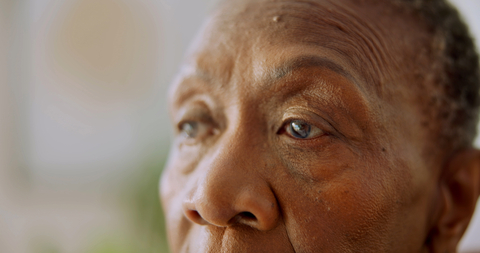
“Epileptic seizures in older people are often mistakenly assumed to be related to another condition (such as dementia), or the ageing process,” Australia’s official health literacy site, Better Health Channel, warns.
Dramatic, full-body convulsions portrayed are uncommon. Focal seizures caused by issues within very specific areas of the brain are more likely. They could present as momentary dizziness, instances of garbled speech, memory lapses, sudden fatigue, or a trembling arm or leg.
“A lot of older adults might present with funny spells,” Harvard Medical School associate professor of neurology Dr. Alice Lam told AARP. “Some patients notice that every now and then they get a weird, flushed sensation in their face, or a really funny feeling in the pit of their stomach, or a quick ‘brain blip’ where their thinking just feels a little off.”
The experiences signaling epilepsy in older adults are transient and typically last an average of about 45 to 50 seconds. And, with epilepsy, they tend to repeat and produce similar symptoms – though often at distant and unpredictable intervals. Another common indicator, notes Lam, is feeling exhausted or in need of a nap after an incident occurs.
Consult a physician
Experts agree it’s imperative to see your primary care doctor as soon as possible if you or a loved are experiencing symptoms similar to any of the above. The seemingly minor episodes could be the result of an undiagnosed condition or serious ailment. Furthermore, they could worsen and erupt into a dangerous grand mal seizure that leads to a fall, car crash, or other severe outcome.
Untreated epileptic seizures can hasten cognitive decline, too. Uncontrolled seizures are a treatable cause of dementia, says Epilepsy Center Director Michael Smith, MD. They can also contribute to anxiety and depression.
“An epilepsy doctor who can pinpoint the cause of the seizures and provide a range of treatment options can be life-changing for patients,” says Hiba Haider, the UChicago Medicine neurologist. Pharmacological intervention stops seizures for about 90 percent of patients, so the sooner a diagnosis is made, the better. In-depth tests can clarify if the problem stems from epilepsy or another medical condition.
Specialists use equipment and procedures like MRIs and 24-hour, in-home EEG monitoring to get answers. The tests let doctors study the functional integrity of the brain’s physical structures and how they respond to stimuli. Watching the way the brain behaves during episodes, says Haider, “gives us a lot of guidance for deciding whether seizure medications are needed, which medications are most likely to work, and establishing the next steps.”