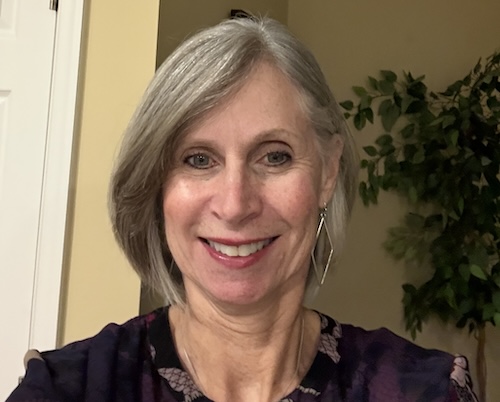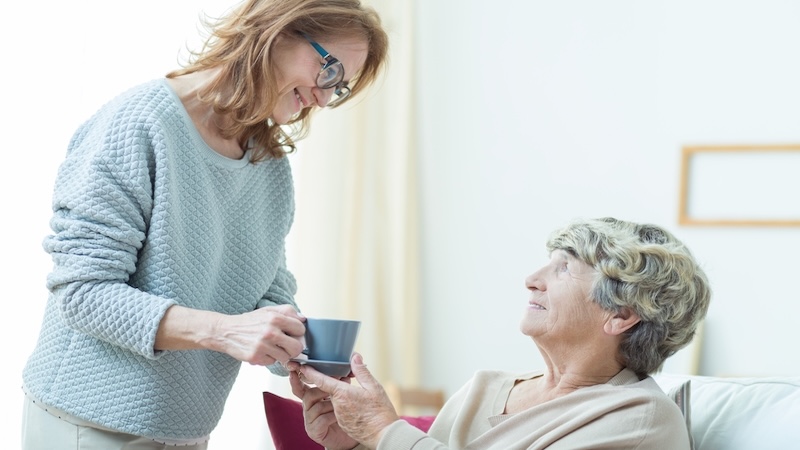
A wrist fracture left Seniors Guide writer Terri Jones one-handed for weeks, unable to work or manage many everyday tasks. The accident taught her some valuable lessons on gratitude and how to accept help.
I try to always be thankful for everything in my life and take nothing for granted. However, this Thanksgiving, I am recognizing the true meaning of gratitude. After a wrist fracture and subsequent surgery that has spurred an outpouring of kindness and support, a veritable army of friends, neighbors and family members has delivered meals to me and my husband, sent me cards and texts, delivered groceries and called with well wishes. I even had a sweet third-grader at the elementary school where I mentor ask me if I needed help carrying my bag!
But even though I’m incredibly thankful for this village around me, I’m just wired to be self-sufficient and have found it difficult to accept all this generosity. If you’re like me and have a hard time asking for or accepting help, here are some lessons I’ve learned along the way.
Top tips on how to accept help
Avoid guilt
When I told a friend that I felt guilty about my friends going to so much trouble, she said, “But they want to help you!” By denying their help, you may be hurting these Good Samaritans instead of the other way around. If you need what they’re offering, just say “yes, thank you,” and try not to overthink it. One day the shoe may be on the other foot and you can lend them a hand.
Don’t apologize
When you ask for help or accept someone’s offer of help, you might find yourself apologizing for needing their assistance. Stemming from insecurity or feeling that you’re a burden, these apologies can rob the giver of the satisfaction of giving. Instead, replace “I’m sorry” with “thank you very much” and let your benefactor simply feel good about what they’re doing!
Go with the flow
When people offer help, allow them to help however they choose and try not to control the situation. For example, if someone wants to walk your dog, don’t give them a lot of instructions about where to go or how long to stay out. Unless people ask for your preference, let them bring you the baked goods or casseroles they choose to make. If what they bring isn’t your cup of tea, thank them anyway and share it with a neighbor or even a homeless shelter. Their generosity should be accepted without questions or qualifications.
Build bonds
According to one counselor, accepting and appreciating people’s help will ultimately strengthen your relationships. When someone offers their help to me now, I realize that they care about me and our friendship. In turn, their selfless support draws me closer to them. I am certain that this experience will lead to new bonds and tighter, perhaps more meaningful ones with current friends.
Don’t make kindness transactional
As soon as you no longer need help, don’t feel the need to immediately pay back your friends’ and family’s kindness with something tangible like a gift or baked good. Instead make it organic and stay in tune with their needs. Offer to watch their house, take out their trash cans and get their mail while they’re on vacation. If you know they’re sick, maybe walk their dog or drop off some homemade soup. Or pay the kindness you received from them forward to others who need a helping hand.
In Psychology Today, a licensed clinical psychologist Julie Radico compared life’s many challenges to climbing a mountain. Many people feel that it would be weak to accept help as they climb. They believe that they can and should do it all on our own.
But she goes on to explain, “Our willingness to accept help can be the difference between us getting to the top of the mountain in one piece or battered and bruised. Accepting help can also make a difference in whether we get to the top of the mountain at all.”
I understand the point Radico is making all too well. Today, my dogwalker was bitten by a dog on a walk before ours and had to cancel last minute. Instead of bothering anyone to help, I walked my two dogs separately using just my left hand. Holding a dog leash and picking up their poop with the same hand, while they pulled and barked at another dog, wasn’t the smartest thing I’ve ever done. I could’ve fallen. My dogs could’ve gotten loose. I could’ve injured my arm more.
Next time I’ll ask a neighbor to help me scale that mountain and know that it’s not out of weakness but out of wisdom.