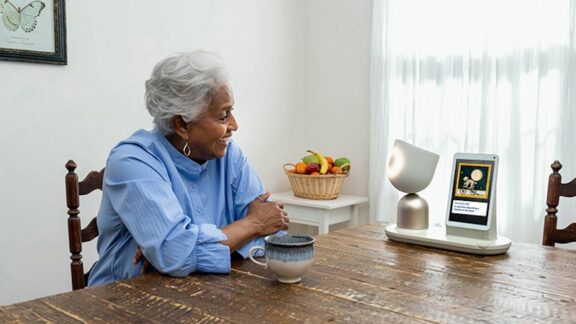
The exploding cost of living can be especially frightening for older adults, whether facing retirement or already living on a fixed income. Seniors face soaring healthcare costs, insufficient COLA adjustments in Social Security, and rising housing costs, even when aging in place. Shared housing for seniors can help address these concerns.
Inflation has stayed more than a point above the Federal Reserve’s 2% target since March 2021. The situation is made worse by the Trump Administration’s tariff regime, cuts in government assistance, and global oil shortages caused by the ongoing Iran war. The former has hiked consumer prices on everything from Scotch whiskey to clothing, medical equipment, and home appliances. The latter has spiked U.S. gas prices by upward of 50% and caused diesel to skyrocket to an all-time high.
All of this comes amid historically steep housing costs. Online property listing and management service, ApartmentAdvisor, says U.S. renters shelled out a median of $1,650 in rent for a two-bedroom apartment in August 2026. Interest on a 30-year fixed mortgage hovers above 7%.
Meanwhile, AARP says bills for nursing homes and home care are growing at rates that outpace most middle-class incomes. That comes at a time when, without congressional action, Social Security benefits are set to be slashed by more than 20% by 2032.
The deluge of increases can have an outsized impact on budget-conscious seniors. And some are turning to home sharing to curve rising costs and help them age in place longer. Here, we explore the trend, who it’s right for, and some benefits participants can expect to enjoy.
What is home sharing?
Think of home sharing as the sophisticated older sister of a post-college roommate scenario. While both arrangements involve unrelated people living together under the same roof to cut overall costs, home sharing tends to be much more intentional.
Boarders and room-seekers typically spend a lot more time searching for a match that meets their specific needs. The process can involve a senior-focused service like Nesterly. Access to a bedroom and mutual common space, or to an accessory dwelling like an in-law suite, are exchanged for money, help around the house, or a combination of the two. The upfront vetting establishes expectations and maximizes mutual benefits for both parties.
Should you consider shared housing for seniors?
Shared housing for seniors isn’t right for everyone. But those that are open to it can reap meaningful benefits.
 A widower with mildly compromised mobility, for instance, might search for a reliable younger person to help pitch in with chores and home maintenance in exchange for reduced or free rent. A group of friends whose spouses have all passed on could choose mutual dwelling to save money, spend more time together, and curve loneliness. Travel-loving couples may merge homes to boost funds and gain inbuilt caretakers for trips. A home share could allow veteran professionals to retire earlier or with more cash. It can also reduce money worries for seniors on a tight budget.
The point is, when it comes to home sharing, there is no one-size-fits-all scenario. The possibilities can be as unique as you and your needs. If the idea piques your interest, The Arc of Northern Virginia’s Consumer’s Guide to Home Sharing suggests using this quiz to test your compatibility.
- Am I sensitive to other people?
- Am I “reasonably accepting” of other people’s personalities, moods, and preferences?
- Do I listen to and understand other people, especially when there’s a difference of opinion?
- Am I able to confront problems and find workable solutions?
- Am I willing to compromise and be flexible?
If you answered yes to each question, home sharing could be a good fit for you.
Find a match
Finding an ideal home sharer or sharee can be a process—particularly if you don’t already have someone in mind that you know or are close to. While it’s tempting to simply post an ad on a classifieds site like Facebook Marketplace, it’s important to err on the side of safety when strangers are involved.
California elder law attorney Michael Hackard told AARP that, when shared housing for seniors goes wrong, “it’s really messy.” The potential for financial abuse and hard-to-resolve problems isn’t worth the risk of quick results. Instead, invest time in finding a quality match.
Groups like the National Shared Housing Resource Center (NSHRC) will help get your search started on the right foot. The nonprofit’s website is filled with information about best home sharing practices. The group also works with cities and community organizations to establish dedicated, regional matchmaking programs around the U.S. Its national databaseincludes a complete list.
If you can’t find a program in your area, don’t fret. Private matchmaking sites like Nesterly are an excellent alternative.