Getting dressed is a daily task that most of us take for granted – until it becomes difficult. Adaptive clothing can help older adults and people with disabilities dress more easily, comfortably, and independently while making caregiving less stressful. Adaptive clothing supports independence by transforming a daily challenge into something simpler and more dignified. While adaptive clothing isn’t new, businesses continue to improve accessibility and style.
What is adaptive clothing?
Adaptive clothing is specialized apparel designed for individuals who face physical, sensory, or cognitive challenges. Key features include magnetic closures, hook and loop closures, strategic openings such as open-back and side designs, wheelchair-friendly cuts, and fabrics designed for comfort.
Originally, this type of clothing was designed primarily for function, but it now comes in attractive styles, too. Famous designers like Tommy Hilfiger and Victoria Jenkins produce lines of adaptive clothing. Some clothing brands specialize in adaptive clothing, such as MagnaReady, Joe and Bella, Buck & Buck, and Silverts (which offers footwear, too), and others.
Getting dressed is linked to independence
Most of us never give getting dressed a second thought – until we can no longer do it. Then it becomes a real problem. That’s because the ability to get dressed is more than just putting on clothes. It’s considered a key indicator of whether or not we can live independently.
Dressing oneself is considered an ADL – activity of daily living – the factors deemed essential to independent living. Basic ADLs consider if a person can take care of their own needs in dressing, hygiene, moving about, and eating.
While it may seem simple, getting dressed requires balance, dexterity, range of motion, and strength. Being unable to attend to this basic need can feel demoralizing. It can even discourage a person from going out for errands or socializing.
How adaptive clothing supports independence
 Maura Horton, founder of MagnaReady, has seen firsthand the difference adaptive clothing makes in her customers’ lives. “Every week we receive emails, letters, and phone calls from customers and caregivers sharing deeply personal stories,” she says. “Many of our customers tell us that for the first time in years, they can button their own shirt without asking for help. Others say they feel comfortable attending church, family gatherings, or doctor’s appointments because they can wear clothing they love again. For caregivers, it often means less physical strain and more quality time with the person they’re caring for.”
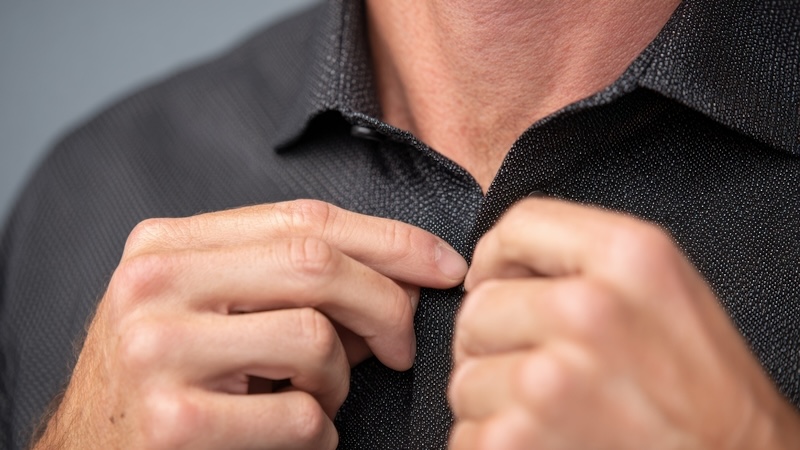
Horton understands the challenges of caregiving. She began designing adaptive clothes in 2009 after her late husband was diagnosed with young-onset Parkinson’s disease. “As his symptoms progressed, one of the first everyday challenges we encountered was something most of us never think about: buttoning a shirt,” she says. “Watching someone I loved struggle with such a simple daily task made me realize there had to be a better solution.”
Years and multiple patents later, Horton explains, “What started as a solution for one person has grown into a company serving hundreds of thousands of people looking to maintain their independence through clothing.”
MagnaReady’s customers are diverse, navigating challenges brought on by arthritis, ALS, multiple sclerosis, neuropathy, diabetes, Parkinson’s, stroke, injuries, and more. The company also sees customers experiencing the natural changes of aging. “What unites our customers isn’t a diagnosis – it’s the desire to remain independent for as long as possible,” she says.
Helping seniors age in place
Adaptive clothing has a number of benefits for seniors that can help them age in place and be independent longer. The adaptive clothing line Joe and Bella notes that in addition to helping seniors maintain their independence, their clothing can help reduce pain and discomfort, improve safety, and support self-confidence in feeling fashionable. Adaptive wear also helps care partners, too, especially because of the physical challenges of assisting someone else as they dress.
Horton recalls a customer who lost his wife, who had helped him dress for years. Suddenly, he could no longer button his own shirts. A MagnaReady adaptive shirt let him dress independently again. The shirt restored not just a routine, Horton says, but confidence and a sense of his own abilities.
Make existing clothing adaptive
Buying a new wardrobe can be pricey, so you may want to gradually add adaptive clothing pieces over time. Also keep in mind that some adaptive clothing may qualify for Flexible Spending or Health Savings accounts when prescribed for a qualifying medical condition.
You can alter existing clothes to make them more adaptive, especially if you have basic sewing skills.
Modifying closures for limited hand dexterity
- Add fabric or magnetic closures on the inside of garments (leave or sew regular buttons on the outside for appearance).
- Add larger pulls to zipper tabs to make them easier to pinch and pull.
- Replace difficult hooks or buttons with rows of heavy-duty snap tape.
Adjusting clothes for seated or wheelchair comfort
- Alter pants by lowering the front waist and raising the back rise so they fit smoothly while seated without sliding down or biting into the skin.
- Eliminate thick back pockets, heavy seams, or rivets on the seat area to prevent pressure sores during prolonged sitting.
- Add side-seam zippers or multi-zipper designs to allow easy opening of pants from the waist down for personal care or changing.
Making dressing easier is about more than convenience. Adaptive clothing supports independence, confidence, and dignity.