Are there valid reasons for men over 70 to continue PSA testing? Dr. Howard LeWine of Harvard Health says, it depends.
Question: I am 77. My brother died of prostate cancer. My doctor says I don’t need PSA testing at my age. But because my brother died of the disease, my doctor will order the prostate cancer screening blood test if I want it. I’m not sure what to do. What is your advice?
Answer: There is no right or wrong answer. Your doctor is following a recommendation from the U.S. Preventive Services Task Force (USPSTF). The USPSTF still advises against routine testing for prostate cancer for men age 70 and older. Recommendations like this help doctors make decisions, but they do not require what should be done in any specific situation.
However, the recommendations were last updated in 2018. Since then, research has found new diagnostic tests that significantly improve prostate cancer diagnosis starting with PSA. I suspect that many men over 70 will want to have PSA testing done.
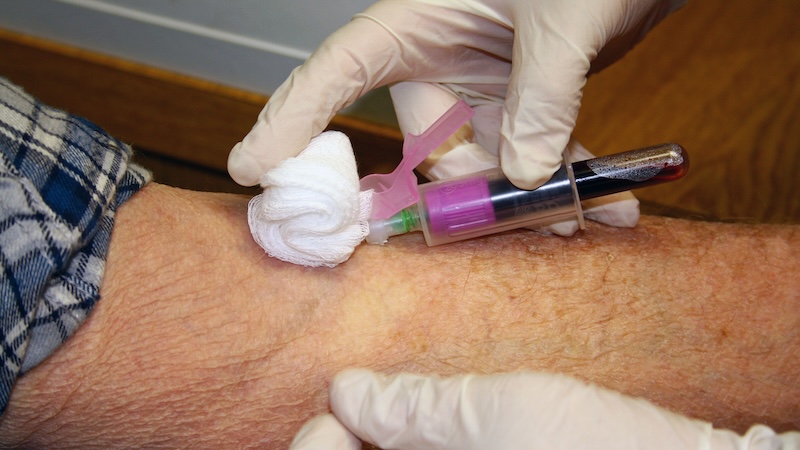
By the way, the prostate-specific antigen blood test measures the amount of a chemical called prostate-specific antigen (PSA) in a man’s blood.
Three considerations for PSA testing after 70
There are three questions that I need answered before I can offer advice:
- Are you in good general health? (This means you have no health conditions that would likely cause you severe disability or death within the next 10 years?)
- Are you of African descent?
- If you are not of African descent, was your brother under age 60 when he was diagnosed with prostate cancer?
If your answer to question one is “No,” you are not in good health, I would advise against getting the PSA test. Why? Because someone in poor health is more likely to die from some cause other than prostate cancer.
If your answer to question one is “Yes,” you are in good health, and your answer to question two or three is “Yes,” then you should consider getting the PSA test.
Keep in mind that even if your brother died of prostate cancer that was diagnosed before he reached age 50 and/or you are of African ancestry, you are still more likely to die from some cause other than prostate cancer. But, it is likely that your risk of aggressive prostate cancer is higher than average.
You should review all the possible scenarios should your PSA be elevated, including what additional tests you might need, whether your medical insurance will cover these additional tests, and complications that might occur, especially if you need a prostate biopsy.
Howard LeWine, M.D., is an internist at Brigham and Women’s Hospital in Boston and assistant professor at Harvard Medical School. For additional consumer health information, please visit www.health.harvard.edu.
©2026 Harvard University. For terms of use, please see https://www.health.harvard.edu/terms-of-use. Distributed by Tribune Content Agency, LLC.
Concerned about prostate cancer? Read more on Seniors Guide:
Lower Prostate Cancer Risk