When we think of legacy, we think of those things we can leave the next generation, from intangibles such as memories and values to tangibles such as wealth and material legacy. The possessions that we cherish may not be part of that legacy. On the contrary, suggests Jessica Sadler, shedding some of those possessions can be a loving legacy. Swedish death cleaning can help.
As an end-of-life doula (similar to a birth doula, but for the other bookend of life), I spend a great deal of time talking with people about planning for the future. We discuss health care wishes, family communication, legacy, caregiving, grief, and the practical realities that often arrive during illness or after a death.
One topic that comes up repeatedly is “the stuff.”
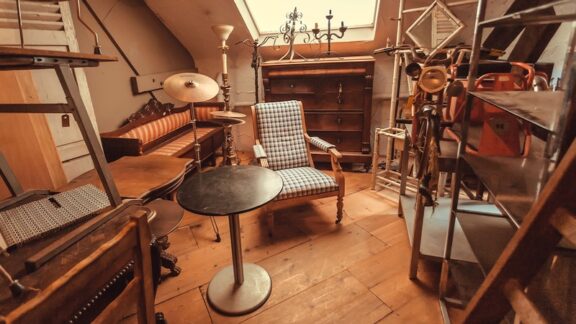
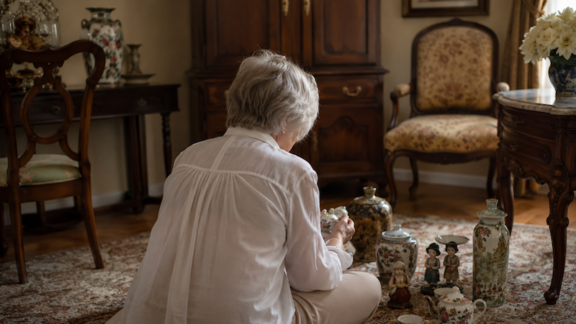
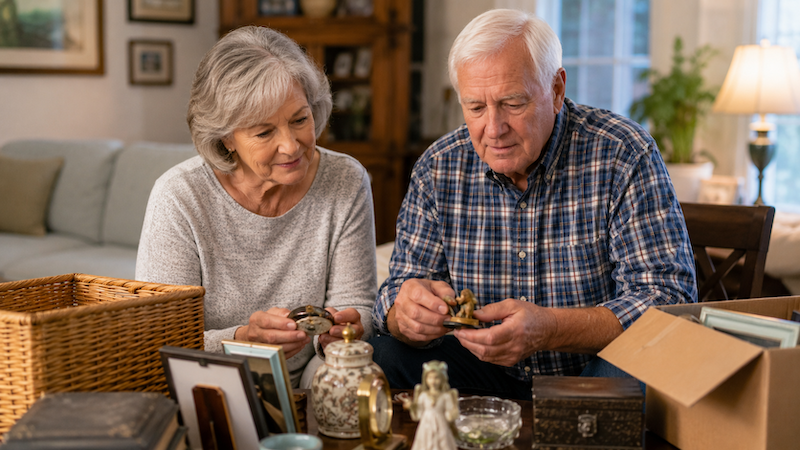
Not the treasured photographs or the wedding ring or handwritten recipe card. I mean the boxes in the attic or the basement, the china, the figurines, the closets full of clothing and linens from 40 years ago. Garages filled with “one day I will need this.” Kitchen gadgets that block the opening of drawers.
These belongings can represent a lifetime of hard work, memories, generosity, and identity. They may have been purchased during meaningful seasons of life, inherited from beloved relatives, or carefully saved because throwing things away felt wasteful. But when a person dies, the belongings they leave behind can become an unexpected emotional, financial, and physical burden for the people who love them most.
This is where Swedish death cleaning can be a powerful act of love for yourself and your loved ones.
Swedish death cleaning, also called döstädning, is not about being morbid, cold, or rushing to empty a home. It is a thoughtful, gradual process of reducing possessions over time so that the things remaining are useful, meaningful, wanted, and manageable. This is not about cleaning but about communication, legacy, and love.
Why the “stuff” matters
Adult children often are overwhelmed by their parents’ transitions, from downsizing to death. They grieve the sale of a family home. They face the challenges of coming to terms with parents growing older, managing paperwork when tasked with financial caregiving, power of attorney, or as executor – all this while managing their own priorities. When faced with rooms full of belongings, they may see a big responsibility that comes without clear guidelines.
When there are no directions for managing possessions, family members may feel guilt or resentment. They may take items home simply because they cannot bear to throw them away in the moment. A sibling may feel hurt if another sibling donates something. Arguments can lead to rifts in relationships that are emotionally loaded because they belonged to someone who is gone.
An inheritance is not always a gift just because it is handed down. Sometimes it is a monumental responsibility disguised as a keepsake.
There is a financial cost of hanging on to possessions, too. Delayed decisions may require storage space, estate cleanout services, dumpster rentals, and helpers. Families may be managing the sale of a home while trying to meaningfully sort through decades of possessions. A home that is full of clutter can be more difficult to clean, photograph, repair, stage, or sell. Adult children who live out of town may need to make repeated trips, take unpaid time off work, or pay for lodging while they sort through a parent’s home.
When families are “gifted” a family home, the burden has not disappeared. It has simply moved.
How Swedish death cleaning provides relief and guidance
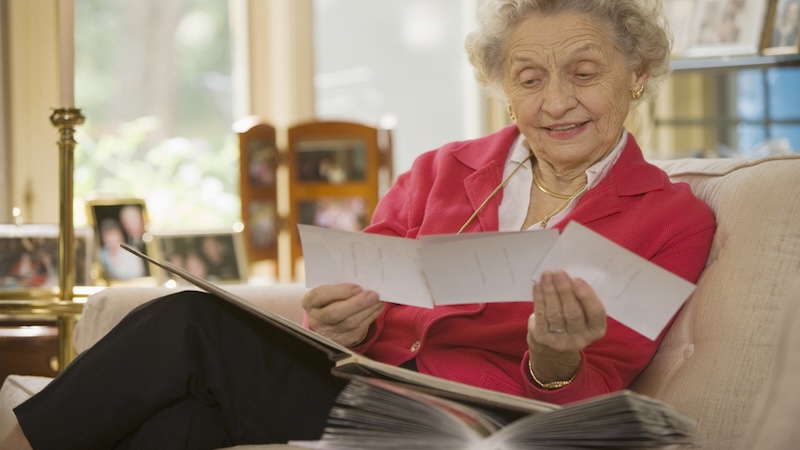 Swedish death cleaning is not about stripping away a life, but about passing on your legacy with purpose.
Learn to do this early and limit the overwhelm. Start with one drawer, one shelf, one closet. Ask yourself: Do I use this? Do I love this? Does someone else truly want this? Would I want my family to have to make this decision for me? Make a goal of 25 items a week, big or small, to donate, gift, or part with in some way.
A single photograph of a collection, paired with a written note about why it mattered, can preserve far more meaning than 20 boxes of fragile items stored in a garage. A favorite recipe copied into a family cookbook can be more useful than a drawer full of outdated kitchen tools. A memory quilt made of old clothing or linens made for grandchildren may carry more legacy than a closet full of unused fabric no longer being used. Keep the best, share the stories, and release the excess.
This thoughtful process, over time, can also create meaningful family conversations. Ask loved ones what they genuinely want. Tell them the history behind special heirlooms and belongings. Offer items while you are alive, face to face, rather than leaving relatives to guess later. Record the stories that matter.
Assure your children and grandchildren – and yourself – that letting go of physical items doesn’t mean letting go of memories. Donating Grandma’s household trinkets doesn’t mean forgetting Grandma. Memories do not live only in objects.
The goal is not to leave nothing behind.
The goal is to leave behind what matters most.
Jessica Sadler, EOLD, QADF is an End-of-Life Doula, Qualified Advance Directive Facilitator, educator, and founder of Dawn of Aging in Hampton Roads, Virginia. She helps individuals and families navigate aging, caregiving, end-of-life planning, legacy projects, and Swedish Death Cleaning with practical guidance, compassion, and a little honest conversation about the things most people avoid discussing. Learn more at dawnofaging.com.