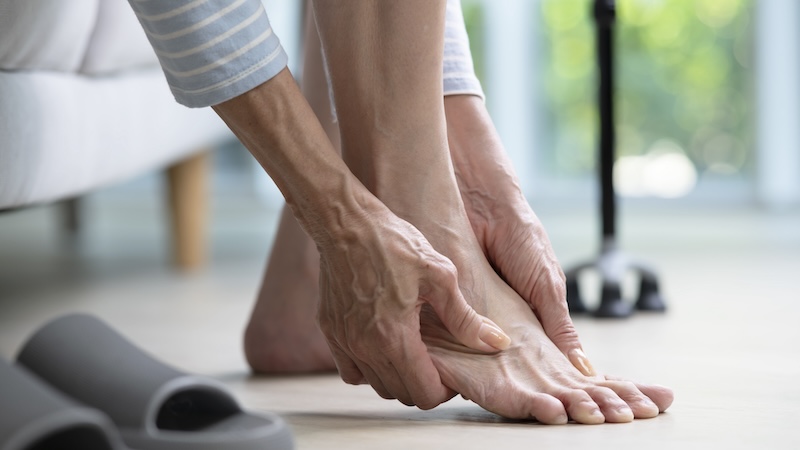
Feet are the unsung heroes that carry us through life. We buy shoes first for style and statement, only later for comfort and care. Some of us may doll up our toes with polish and buff off the callouses, while others give foot aesthetics nary a thought. But foot care matters range far beyond appearance, especially for seniors.
Healthy feet play a role in balance, health, independence, and quality of life as we age, making it more crucial than ever to care for our feet. Routine foot care can help prevent pain, infections, falls, and mobility issues as we grow older. Healthy feet can keep us active, thus supporting the physical and mental health benefits that come with regular exercise.
Ironically, just as it becomes more important than ever to care for our feet, doing so can become more difficult. Arthritis, joint stiffness, or extra weight can make reaching the feet difficult, while reduced sensation (neuropathy) can prevent some individuals from feeling injuries, making it harder to complete routine tasks like clipping nails independently.
Our feet change as we age
Not only do our feet flatten and widen as age, but we begin to lose the fatty cushioning on the soles of our feet. This layer of fat can diminish by as much as 50% by the time we reach age 50, reducing shock absorption and increasing discomfort when we walk or run.
As we age, feet also become more prone to dryness, cracks, infections, and structural issues like bunions and hammertoes, which can be painful and require comfortable footwear. In addition, aging can cause thinning skin and reduced circulation in our feet, often worsened by conditions like diabetes.
Foot care matters at home
To maintain healthy feet, it’s important to practice regular foot care. Here are some tips on how to do this:
- Check your feet often using a mirror to look for cuts, blisters, or red spots, especially if you have diabetes.
- Apply hydrating lotion to prevent dry, cracked skin but avoid rubbing it between the toes, because this can promote fungal growth. It’s a good idea to apply lotions and creams at night for maximum hydration.
- Keep toenails short. To trim your toenails properly, cut straight across to prevent ingrown toenails. Leave the nails slightly longer than the nail bed. To make nails easier to trim, you may need to soak feet first in warm water for 10-15 to soften them. Smooth nails after trimming with a filing tool such as an emery board to remove sharp edges.
- Make regular exercise part of your routine to help improve circulation and support flexible joints in the feet.
Beyond the routine
Several common foot conditions call for measures beyond the routine, some of which can be addressed at home. Remember, when any of these conditions lead to pain, severe discomfort, or difficulty walking, it’s time to see a doctor.
If you have diabetes, peripheral artery disease, or loss of feeling in your feet, do not perform home treatments; seek professional help. Similarly, if DIY treatments don’t seem to move the needle, consult a health care professional.
- Calluses and corns – Soak feet in warm, soapy water for 10 to 20 minutes to soften the hardened skin, then use a pumice stone or emery board to gently file in a circular motion. Do not take off too many layers, and don’t try to remove the with sharp tools, as this can cause infection and injury. Apply lotion to keep the skin hydrated and soft, aiding in the reduction of the thickened skin. Apply donut-shaped adhesive pads around a corn to stop it from rubbing against shoes. Choose comfortable, well-fitting shoes with a wide toe box to reduce friction.
- Plantar fasciitis – Though this condition can cause severe heel pain when standing or walking, plantar fasciitis often improves over time with self-care. Reduce activities that cause pain and try gentle stretching exercises for the calf muscle. Wear shoes with good arch or heel cups or use shoe inserts to reduce pain and discomfort. To control pain and swelling, you may also apply ice packs to the heel for 20 minutes several times a day. Over-the-counter drugs such as ibuprofen may also help to reduce pain and inflammation.
- Bunions – Bunions may cause pain and discomfort and make it difficult to find shoes that fit properly. They may eventually require surgical removal. However, you can take measures at home to improve discomfort caused by bunions. These include using silicone or foam spacers between toes to maintain proper alignment, and wearingshoes with a wide, deep toe box that allows toes to spread naturally without crowding. If shoes rub the bunion, use gel-filled pads to reduce pressure on that area of the foot. Exercises to strengthen the foot muscles, such as grabbing a towel with your toes or using a rubber band to realign the big toe may help. Apply ice packs or try over-the-counter anti-inflammatory medication to help with swelling and pain if needed.
When to see a professional
If you’re experiencing any of these issues with your feet, it’s best to seek guidance from a health care professional such as your primary care physician or a podiatrist.
- Persistent pain, numbness, or tingling.
- Non-healing wounds, ulcers, or infections.
- Discoloration or significant swelling.
- Thickened or discolored nails.
Diabetic patients should schedule regular foot exams to avoid complications.
Picking the right shoes
Because foot care matters, older adults should pick shoes that prioritize comfort, stability, and safety. Wearing the wrong shoes can exacerbate existing foot issues, cause pain, make it more difficult to move around, and increase fall risks.
Fortunately for those who value style, many brands now consider style as well as comfort. For more information on choosing the best shoes for your foot care matters and your lifestyle, visit the Seniors Guide shoe-buying guide.