Experience the benefits of volunteering in nature, making you happier and healthier. Here’s how to find your niche and capitalize on the perks.
Recent scientific studies have shown that spending time in nature and volunteering bring a hit parade of positive health impacts for people of all ages, particularly seniors.
The Mayo Health Clinic tells us, for instance, that volunteering yields a treasure trove of benefits for adults over the age of 60. Research has found that those who volunteer later in life are more physically healthy, suffer lower rates of depression and anxiety, and live longer compared to their peers. A nearly identical brigade of perks is attributed to regular engagement with nature-based activities like hiking, gardening, and canoeing.
Volunteering offers an added bonus.
The work “is essential to everyday activities, [and thus helps to foster] a sense of purpose, especially when [volunteers give] their time and talent in the areas they find meaningful,” says the Mayo Health Clinic. What’s more, post-retirement volunteers meet people with interests that are similar to their own and report experiencing a significant “increase in life satisfaction and self-esteem.”
Finding your niche for volunteering in nature
Considering the overwhelming evidence, we’d like to propose an idea: Why not maximize the positive effects through a combination of nature-oriented volunteering? Here, we explore ways to do just that.
Identify a cause
To reap the full rewards of the above-mentioned uptick in life satisfaction and sense of purpose, you’ll want to align your volunteering with a nature-based cause or activity that you care for and can get excited about. That could stem from a prior interest or newly discovered intrigue.
A once-avid road cyclist, for instance, could look for a local bicycle club and inquire about opportunities helping to plan or support member rides around the area. Veteran canoeists might follow a similar tact and reach out to a nonprofit organization – like Glouster, Virginia’s Friends of Dragon Run – to pitch in during cleanup days on area waterways or help with educational events that promote river health or participation.
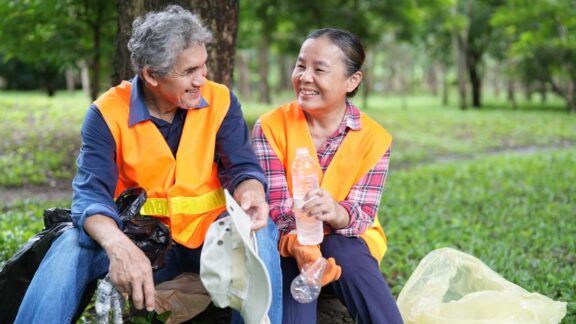
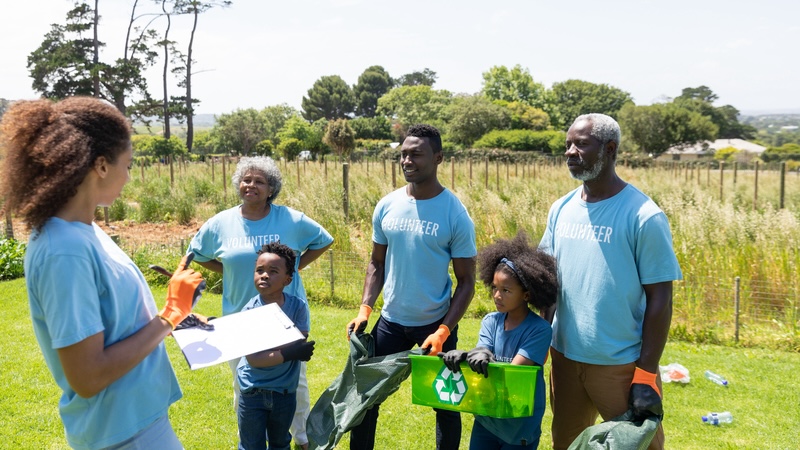
Another possibility would be to buy a handheld grabber and clear trash from trails and roadsides in nearby state or public parks. Many volunteer groups that support parks and other natural sites will host group events of picking up trash or clearing out invasive species. Group volunteer events offer the added benefit of connecting with others, often in multigenerational groups, clearing away the depression that often accompanies retirement.
 Would-be avian enthusiasts could find a niche supporting citizen science initiatives like annual Audubon Society bird counts or chaperoning field trips for local kids’ clubs. Foodies could look for a community garden and try their hand at growing veggies and herbs, and gardeners could help planting trees.
The point is, you’re surrounded by potential opportunities. Make some time to think about what interests you, do a bit of research, and reach out.
Try new things and feel free to pivot
Longtime second-act volunteers say it’s best to treat nature-based opportunities like an adventure. Give yourself plenty of license to try new things, see what makes you feel good, and adjust your time investment accordingly. If one activity or organization proves to be a dead end, feel free to shift gears and test drive another.
“Worst case scenario, you’ve spent some time out of doors helping to support a good cause,” retired electrical engineer, John Conrad, told me last year. “I find that perspective really takes the pressure off of people and makes things a lot more fun and exciting.”
The 75-year-old discovered his volunteer activity of choice completely by accident when he moved from Boston to a retirement community in the mountains of rural Tennessee. Once there, he was dismayed to find a near total lack of hiking trails.
“I hadn’t done much hiking before, but it seemed like an injustice that we didn’t have any paths that led from the community into the beautiful hills and mountains that we were surrounded by,” said Conrad. “So I thought, ‘Hey, why don’t I try to use some of my newfound free time to do something about that.’”
Conrad subsequently founded a trail-building club called Trails of Fairfield Glade in 2012. The group now has more than 150 regularly participating members. All contribute according to their abilities and interests, and as time allows. A retired architect may draw up blueprints for a summit gazebo, while a former marketing executive spearheads fundraising campaigns, and a sunsetted event planner plots monthly picnic events centered around points of interest on the trails.
“The club has supplied me and many others with a quite meaningful second act,” said Conrad. “It’s introduced me to new friends, provided a wonderful excuse to spend more time outside in nature, and had such a positive impact on the community.”
He encourages would-be volunteers to keep an open mind and explore opportunities that interest them. If you’re lucky, says Conrad, you might just find your new raison d’être.
A quick web search of nature volunteering will turn up nearby organizations, ready for you to make a difference – for our world and for you.