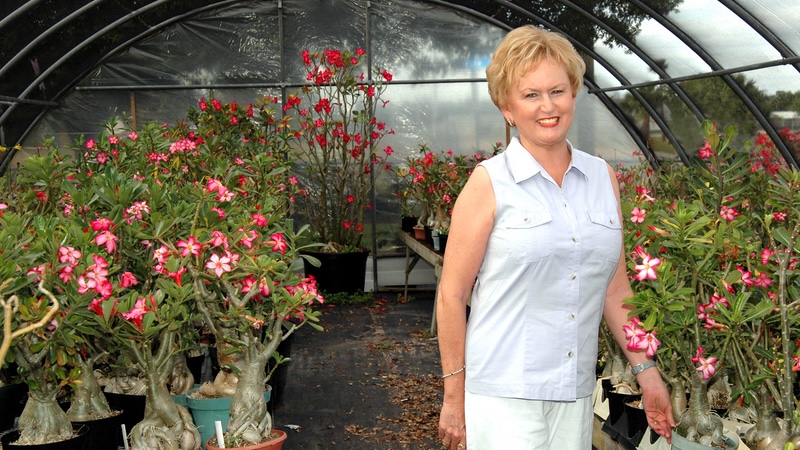
I have written about longevity literacy and the need for long-term-care planning. To see how women fit into this picture, I interviewed Maddy Dychtwald, cofounder of AgeWave, a research and consulting firm focused on aging, and author of “Ageless Aging: A Woman’s Guide to Increasing Healthspan, Brainspan and Lifespan.” Dychtwald interviewed dozens of researchers, scientists and physicians for her book, and these are some of her takeaways on longevity advice for women.
Q: What do women in particular need to know about aging?
A: For women, there is good news, bad news and better news. The good news is that we have won the longevity lottery; on average, women live between five and six years longer than men. The bad news is that we spend more years in poor health in our later years. We are twice as likely to suffer from cognitive decline and Alzheimer’s.
Q: What’s the better news?
A: Up to 90% of our health and well-being is within our control. We used to think genetics was the be-all and end-all in determining our health, but now we know that lifestyle and environment have far more to do with how well we live than we thought.
Q: Can you give an example?
A: If there were a silver bullet, it would be exercise. If you exercise regularly, the impact on heart and brain health can be extraordinary. And muscle strengthening is the longevity superpower. Building your muscle strength can reduce the risk of dementia, improve your mood and lower the risk of chronic ailments such as heart disease and stroke.
Q: You say that social connections are also crucial.
A: Healthwise, loneliness is the equivalent of smoking 15 cigarettes a day. That doesn’t mean you have to be a social butterfly. You just need a handful of people — your spouse or partner, a best friend — whom you can go to for companionship. And don’t neglect what we call micro connections. Smile and strike up a conversation with the clerk at the supermarket checkout line.
Q: What advice do you have for women who are single?
A: Women seem to thrive with strong networks, so build your support ecosystem. Cultivate a few close friends. Make sure you know your neighbors. Have a physician you can count on to answer your calls in an emergency. Strengthen your social network via micro connections. Also, you need to have clear legal and financial documents and a financial plan.
Q: How should women approach long-term care?
A: Start the conversation early with your family, friends or trusted advisers. Let them know what your wishes are and how you plan to pay for the costs, whether through savings, long-term-care insurance or tapping home equity.
Many people assume that long-term care will mean a nursing home, but that’s not always the case. For an older woman who is single, living in a planned community that offers services and socialization can be a great option. It’s not about looking at your ultimate decline but about preserving dignity, control and a sense of choice.
Q: Let’s talk about finances.
A: Your earning power is one of your greatest longevity assets, so keep working as long as you can. While you’re in the workforce, take advantage of contributions to your 401(k) or similar retirement plan, and automate wherever you can. When you retire, consider part-time work, eliminate debt, create a little security with paycheck-for-life insurance products. Talk about finances with your spouse or partner and with your friends. Having the right knowledge is a powerful tool. Financial literacy is longevity literacy.
Janet Bodnar is editor at large at Kiplinger Personal Finance magazine. For more on this and similar money topics, visit Kiplinger.com.
©2026 The Kiplinger Washington Editors, Inc. Distributed by Tribune Content Agency, LLC.
Read more and get inspiration for your best health as a woman on Seniors Guide:
Lessons on Longevity from Women