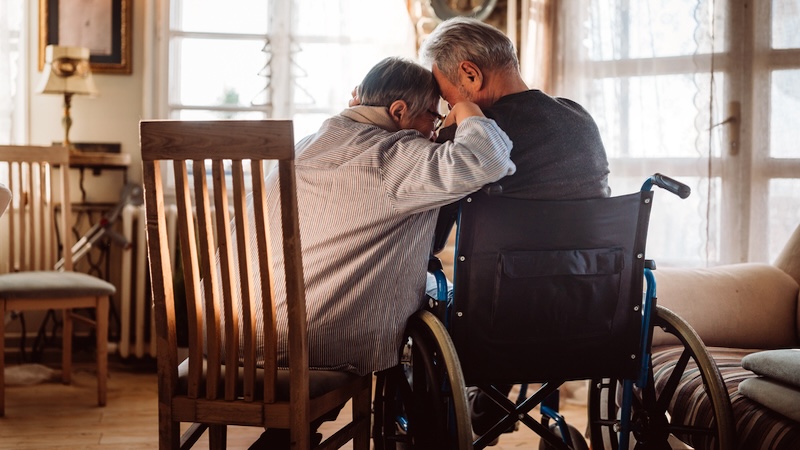
Aging brings changes, even unexpected ones, so sometimes people who swore they’d never move from their longtime home to a retirement community may be having second thoughts. Seniors Guide writer Terri Jones explore seven reasons to move to senior living.
When you’re young, you think you’ll be able to live independently forever. However, the older you get, those everyday tasks you’ve been doing for decades without a second thought, like cooking, cleaning, and doing yardwork, often become more and more challenging. Living alone (or even with a partner) when you can’t get out as easily or many of your friends have passed or moved away can also be very lonely.
According to the U.S. Department of Health and Human Services, today’s 65-year-olds have a nearly 70% chance of needing long-term care sometime in their lifetime.
If you don’t have a family member or friend who can provide you with support and regular companionship, you may want to consider moving to a senior living community.
Reasons to move to senior living communities
Here are some signs that the time may be right.
1. You’re overwhelmed by running a household.
Have household chores like emptying the dishwasher, going grocery shopping, changing beds, trimming hedges, and replacing batteries in smoke detectors become more difficult, and on some days, impossible? Or you may simply be sick and tired of shouldering these responsibilities after all these years!
At an independent living community, you’ll never have to wield a pair of hedge clippers or paint the porch again. The time you used to invest in these time-consuming tasks you’ll now have to explore new hobbies, make new friends, and just have fun.
2. Your home isn’t designed for aging-in-place.
Your bedroom is on the second floor, you have a tub and a standard height toilet in your bathroom, and your laundry room is in the basement. Sure, you could renovate your home to make it easier to age in place, but the cost may be prohibitive and require contractors to be in your home for weeks, if not months.
Senior living communities are equipped with walk-in showers, grab bars, elevators, emergency alert systems, and other features to make life easier as you age.
3. You’re having trouble caring for yourself.
Maybe it started with an injury or a surgery that made it challenging to bathe, dress, cook or remember to take your medications, but after months, you’re still finding these tasks more than you can handle at times. Some days, you even you stay in your pajamas all day or eat peanut butter and jelly sandwiches instead of putting the effort into cooking.
Assisted living communities are designed for residents who need help with daily tasks, such as personal hygiene and cooking, but who still want to continue to live as independently as possible.
4. You’re having health problems.
You or your partner has been diagnosed with a medical condition that’s becoming difficult to manage on your own or you need regular treatments or procedures that only a medical professional can provide. Perhaps you’d just feel safer with someone else keeping an eye on your health.
In a skilled nursing facility, registered nurses provide residents with medical care and necessary treatments as well as monitor their condition.
5. You’re not driving anymore.
Reaction time naturally slows with age. And the fact that it takes longer for you to react to outside stimuli like a car pulling out in front of you may have even resulted in a few fender benders or near misses lately. Or maybe your less-than-perfect hearing and vision have recently made you feel a little less safe on the road, especially at night. In any event, if you (or your family) decide that it’s time to stop driving, you may be having trouble keeping your fridge and pantry stocked, making your doctors’ appointments, and socializing.
When you live in a senior living community, you’ll typically have access to scheduled transportation to most places you need to go, including stores, doctors’ offices and social outings.
6. You’re lonely.
 If you’re no longer driving or have mobility issues that make it difficult to visit friends or family members, you could become socially isolated, which not only can have a negative impact on your mental health but can affect you physically. The U.S. Surgeon General has reported that chronic loneliness is more dangerous than smoking 15 cigarettes or drinking alcoholic beverages daily, physical inactivity, or obesity and can significantly increase the risk of heart disease, stroke, diabetes, depression, anxiety, and dementia.
Senior living communities offer a variety of regularly scheduled activities, such as musical programs, exercise classes, card games, etc., to encourage social interaction among residents and make their lives more fun!
7. Your partner has Alzheimer’s or other significant medical needs but you don’t want to live apart.
A partner’s needs may be getting beyond your ability to address them adequately, but you don’t want to be apart.
Many assisted living communities and memory care facilities have options for couples even if only one of them requires assistance. Options can range from sharing units to having different but nearby units within the same community.
Research the options for your move to senior living
Don’t wait until you need the support of a community to start doing your homework. Before you need to make a move, do your research. Use the Seniors Guide Care Assessment to determine what type of community meets your needs. Then find suitable communities in your area, schedule a visit, meet the staff, and ask to speak to residents and families. When you find communities that are right for you, you may need to get on a waiting list.
Find a new home where you’re comfortable and can fully enjoy your life!