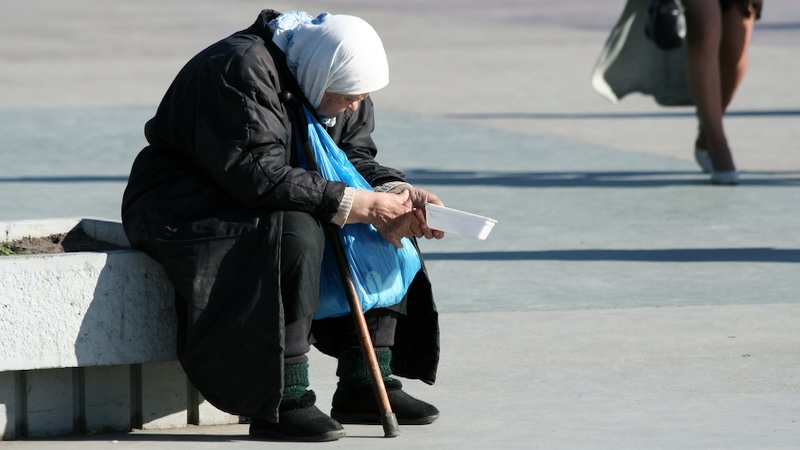
Senior homelessness in the U.S. continues to worsen despite heroic efforts to manage it, primarily due to economic forces. Seniors Guide writer Terri Jones looked at the problem in 2022 and revisits the issue today, including ongoing remedies.
Many seniors live on a fixed income with few supports. When something happens, such as a rent increase or eviction, the loss of a spouse or a major injury or illness, it can push these older adults over the cliff into poverty and homelessness.From 2007 to 2017, the rate of senior homelessness increased from 22.9% to 33.8 %, and at the close of 2024, seniors represented 20% of homeless Americans, making this the fastest growing group of unhoused people in the U.S.
Medical problems are one of the top reasons that low-income seniors can’t afford housing or keep the homes they do have, Caitlin Synovec, assistant director of the National Health Care for the Homeless Council, told NPR. With the significant cuts to federal Medicaid funding, the senior homelessness problem is bound to increase. Even the 2026 cost-of-living increase falls short of what many seniors need. If we don’t provide better support for this vulnerable group, the number of homeless seniors is expected to triple by 2030.
Private sector solutions
Here’s what some shelters, organizations, and hospitals are doing to keep seniors housed and healthy.
Homeless shelters
Traditional homeless shelters – with bunk beds, shared and inaccessible bathrooms, crowded spaces, and lack of support (if a resident can’t take care of themselves, they’re often asked to leave) – can’t accommodate most older adults. In response to seniors’ unique needs, facilities like the Medically Vulnerable People (MVP) shelter outside of Salt Lake City have sprung up in several states. The MVP shelter operates out of a converted hotel with semiprivate rooms and plenty of space to accommodate wheelchairs or other mobility equipment. An initiative of the nonprofit The Road Home, it serves people 62 and over as well as younger adults with chronic medical issues. Each room includes a bed, instead of a bunk, and its own private bathroom to make it more easily accessible for those with incontinence. The MVP shelter even offers on-site medical care provided by EMTs and specialized medical case managers. Primary care doctors and therapists visit weekly.
When shelter resident Jamie Mangum, who has lung cancer, fell at the MVP shelter, she told NPR that she only had to make it downstairs to have her swollen wrist wrapped. At other shelters, she would’ve had to get a ride to an urgent care facility and probably wait hours for care. The shelter’s case managers have even helped her get treatment for her cancer.
But this shelter model isn’t just beneficial for residents while they are staying there. According to NPR, a senior-focused shelter in Florida reported an 80% success rate in preparing its residents for stable, permanent housing.
Organizations
 Other groups are also recognizing the connection between health and being housed. The main mission of the nonprofit health plan PACE (Program of All-Inclusive Care for the Elderly) is to help seniors with complex health needs remain in their home; however, when seniors don’t have a home, PACE has expanded its offering to provide seniors with housing as well. One example is in Methuen Massachusetts. There, PACE partnered with the YWCA Greater Newburyport to offer integrated housing and health care under one roof. PACE also has an arrangement with the owners of a senior housing project in Detroit, where they agree to keep rents affordable in exchange for PACE providing healthcare services to tenants.
PACE also has reserved four apartments at an assisted living facility in Bristol, Rhode Island, where Roberta Rabinovitz recently moved in. When the 82-year-old, who was previously unhoused, needs medical care, she takes the PACE van to the organization’s center. However, if she isn’t feeling up to the trip, the organization can also come to her, like the day when a technician brought a portable X-ray machine to her apartment to determine what might be causing pain in her hip.
Hospitals
Hospitals cannot discharge patients who have nowhere to go. Therefore, a patient without a home to return to may occupy a bed for much longer than needed. For example, one Denver Health patient with a persistent bacterial infection was forced to stay in the hospital for eight weeks to receive IV antibiotics that could’ve been administered at home, but the patient had no home. That costs the hospital money and uses a bed that someone else may need.
It’s because of patients like these that Denver Health partnered with the Denver Housing Authority in 2021 to convert an unused office building into 15 affordable transitional apartments. A stable place to live not only helps in patients’ recovery, preventing return trips to the hospital, but it also makes it easier for them to manage their health on an ongoing basis.
“How people are doing in life, how they’re thriving or not thriving, often has a lot to do with their housing situation,” said Rebecca Clay Christensen, executive director of community health at Bon Secours Richmond, which provided $8 million in affordable housing grants from 2013 to 2023. “A person who is adequately housed has a great opportunity to deal with all the other things that aren’t working out so well,” including both physical and behavioral health needs.
Other initiatives
The nonprofit AllThrive365 owns and operates 25 apartment complexes for seniors in Arizona. These complexes integrate safe, affordable, and energy-efficient housing with a variety of support services – from food pantries, meal delivery, and transportation to health and nutrition education as well as opportunities to connect. Another affordable housing nonprofit, Mercy Housing, recently opened its 14th senior housing property in Arizona. The nonprofit also offers food pantries and mental health and educational services.
In its Federal Strategic Plan, the United States Interagency Council on Homelessness suggests greater collaboration between local Area Agencies on Aging (AAAs) and Continuums of Care (CoCs) to better address the needs of homeless seniors. AAAs provide home- and community-based services for older adults, including group meals, transportation, and caregiver education, while CoCs assist homeless seniors in accessing housing and services.
Resources
If you or someone you know is homeless or at risk of becoming homeless, below are some resources that may help:
- Learn about HUD’s Housing Choice Voucher or Supportive Housing for the Elderly programs. Your state may also offer rent subsidies.
- Contact the Continuum of Care (CoC) for housing assistance or Area Agency on Aging for home- and community-based services in your local community.
- Use FindHelp.org to locate a shelter in your area.
- Dial 211 for access to essential community services, including shelters and rent assistance.
- If you are still having difficulty finding housing, your local police department can connect you to resources.