

Rebound Mobility in Dayton, OH: Tek RMD specialists for upright mobility and everyday independence
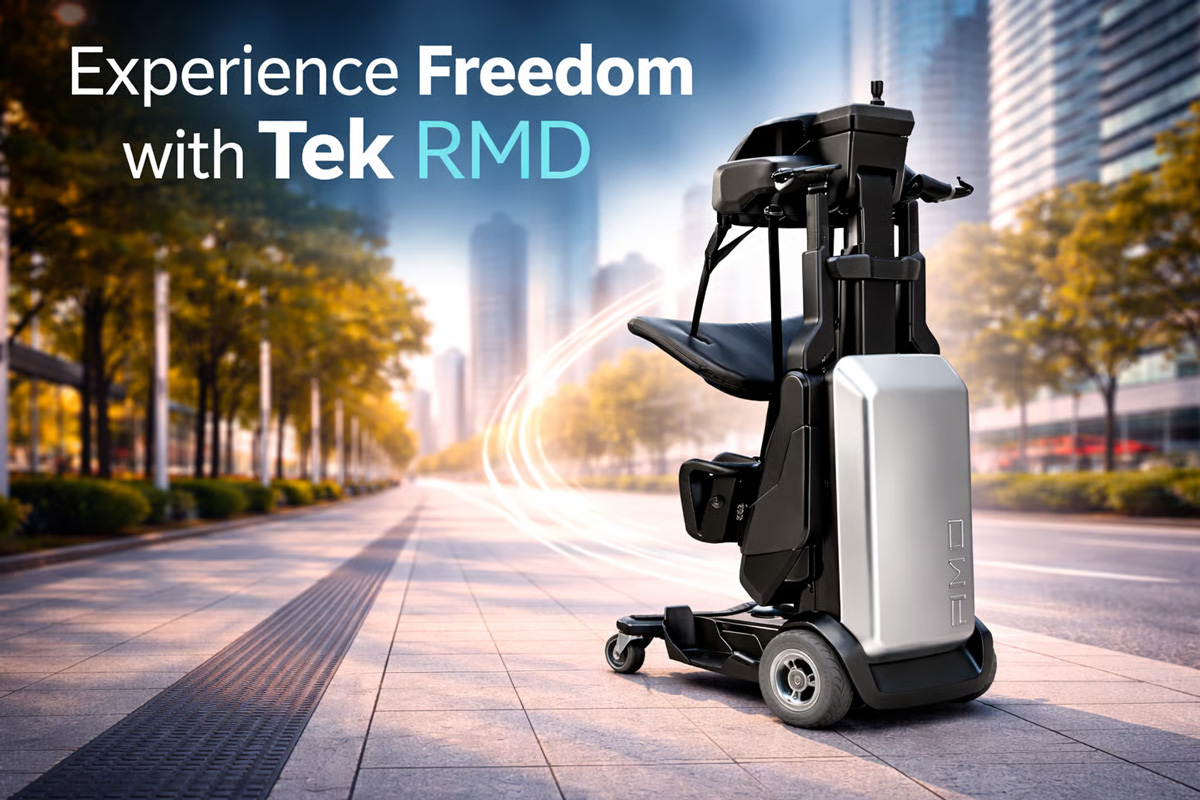
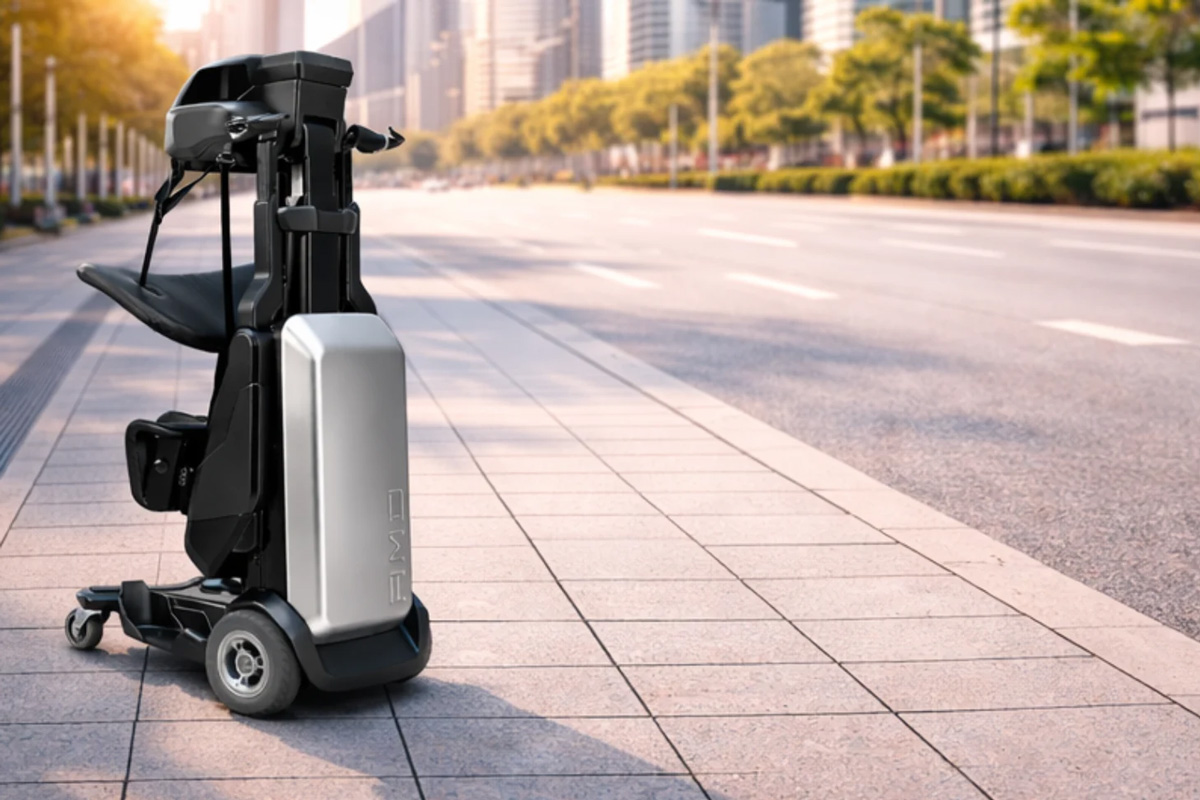
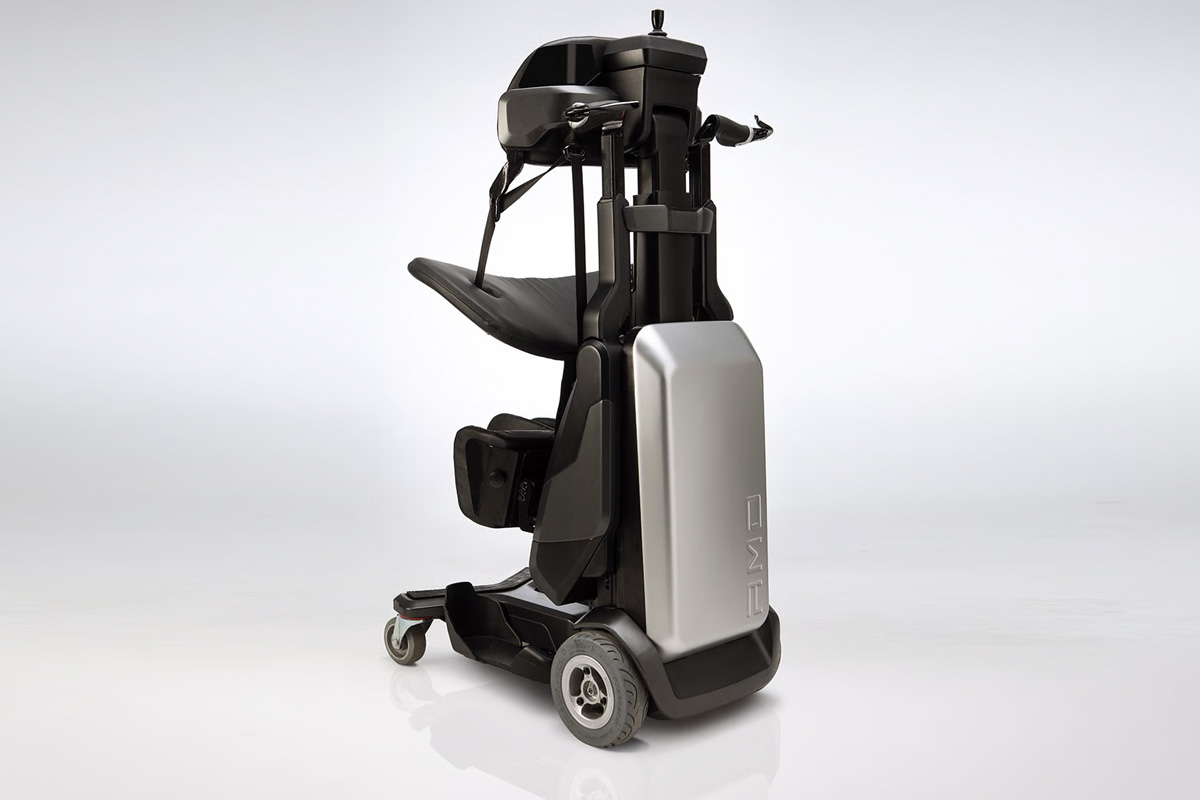
Rebound Mobility serves the Dayton, Ohio area with a focused specialty: the Tek RMD and mobility devices designed to support upright movement, daily function, and greater independence at home and in the community. Tek RMD is built for people with walking challenges who want more than seated mobility alone—supporting the ability to stand and move at eye level while navigating real-life routines.
For many seniors, adults with mobility limitations, and caregivers, the biggest challenges aren’t only about distance. They show up in the small, repeated moments throughout the day: moving safely from room to room, reaching a counter, staying involved in meal prep, and handling transfers with steadiness and confidence. Rebound Mobility focuses on mobility solutions that support those moments with practical, day-to-day usability.
Tek RMD: upright mobility designed for how people actually live
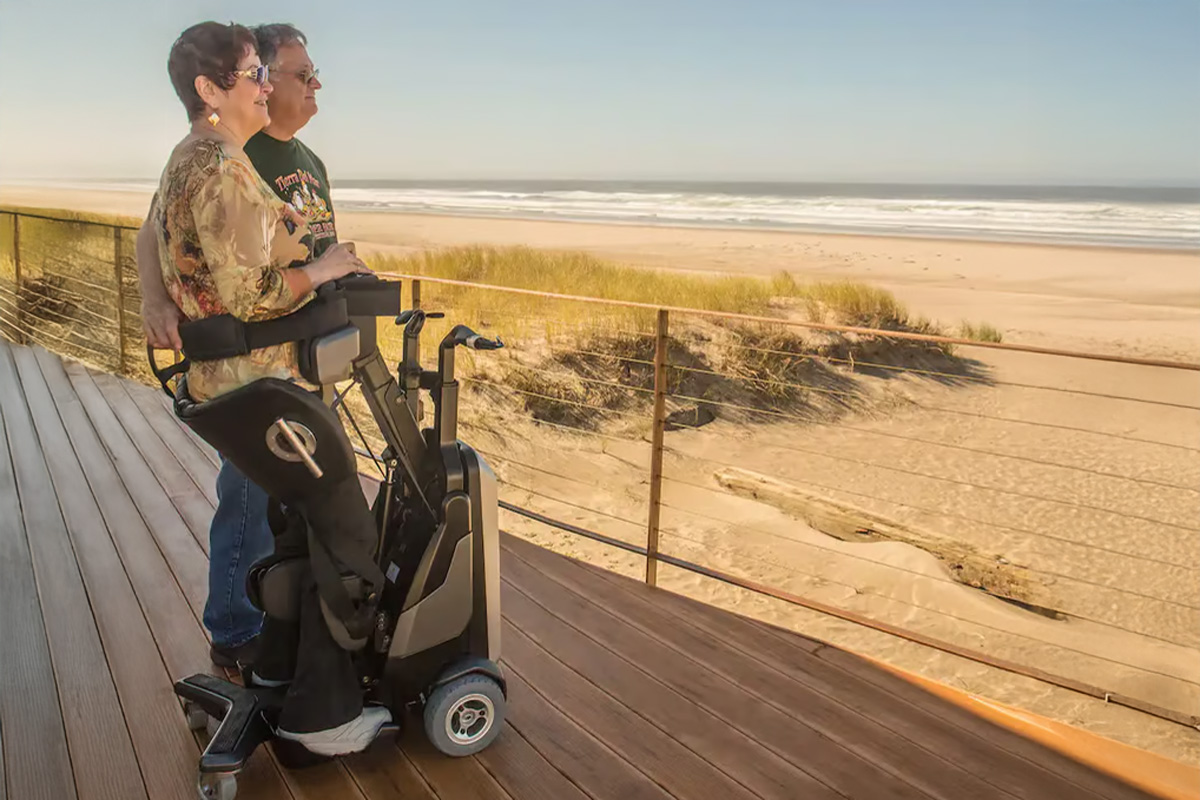
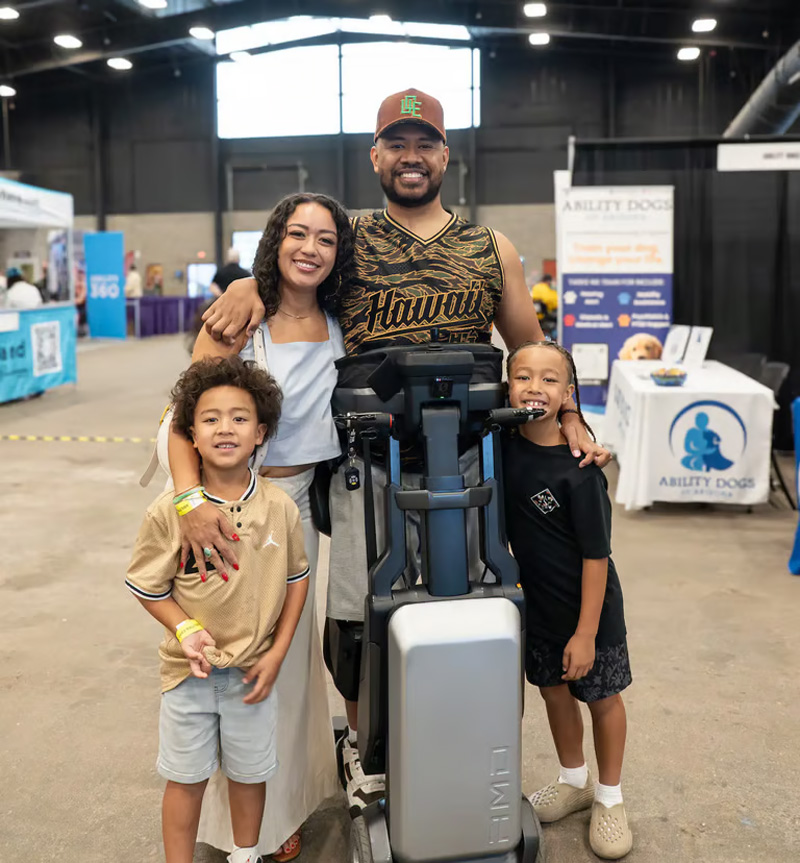
Tek RMD stands out because upright mobility is part of its everyday purpose. Rather than treating standing as a separate activity, Tek RMD is designed so users can transition into a standing position and continue moving through their environment with support and stability. For many people, this means mobility that fits the natural flow of a day—when tasks, conversations, and routines happen at different heights and in different spaces.
For families comparing mobility options, this can be a meaningful difference: a device designed to support movement and participation—helping users remain engaged in household routines, social interaction, and everyday independence.
What makes Tek RMD different in daily use
- Upright mobility: designed to support standing and moving at eye level
- Function-focused design: supports daily activities, not just transportation
- Social engagement support: helps users interact face-to-face more naturally
- Home practicality: supports routines involving counters, cabinets, and common living spaces
Instead of “mobility for movement only,” Tek RMD is positioned as mobility plus function—supporting movement, interaction, and daily participation without requiring someone to remain seated for every part of the day.
Everyday routines Tek RMD is designed to support.
Daily life rarely unfolds from a single position. Tek RMD is commonly considered for routines where upright positioning and standing mobility can support participation, comfort, and independence—especially in the spaces people use most often, like kitchens, bathrooms, hallways, and living areas.
Examples of routine moments where upright mobility can help
- Cooking and meal prep activities at counter height
- Shower and personal-care routines that benefit from upright positioning
- Reaching cabinets, closets, and household storage
- Moving through rooms while standing, with supportive control
These moments are often the difference between simply “getting around” and staying involved in daily life. For caregivers, it can also help clarify what independence looks like in practice: fewer workarounds, smoother routines, and a mobility setup that supports consistency throughout the day.
Tek RMD demonstrations in Dayton: evaluate fit, function, and real-world movement
Mobility decisions are easier when you can see how a device works in real life. Rebound Mobility offers Tek RMD demonstrations so individuals, families, and clinicians can evaluate the device in a practical setting. The goal of a demo is to move from curiosity to clarity—understanding how upright mobility feels, how movement works in typical spaces, and how the device supports everyday transitions.
What a Tek RMD demo helps you evaluate
- How standing and moving feel in real time
- How the device supports independent transfers
- How it navigates typical home layouts and common spaces
- How upright mobility supports daily routines and participation
This hands-on evaluation helps people focus on outcomes—comfort, stability, usability, and confidence—before making a decision. It also helps care teams and family members understand how the device may fit into daily routines and home spaces.
How the process typically works
Rebound Mobility’s approach is built around practical decision-making. Instead of asking you to imagine how a device might fit your routine, the process is designed to help you see and understand it through demonstration and guidance. The emphasis stays on real-life use: standing, navigating, and transitioning through a normal day.
A simple, practical decision flow
- Explore goals: clarify what independence looks like (upright mobility, transfers, daily routines)
- See Tek RMD in action: hands-on demonstration in a home or clinic setting
- Evaluate daily fit: movement in common spaces, routine tasks, and transitions
- Move forward with guidance: support focused on comfort, ease, and long-term usability
This structure supports confident choices—especially when mobility needs are changing and families want decisions grounded in everyday outcomes rather than abstract features.
Mobility devices guided by comfort, ease of use, and lifestyle needs
In addition to Tek RMD support, Rebound Mobility provides mobility devices selected with comfort and ease of use in mind. The goal is a practical fit: equipment that matches how someone moves through the home, which areas they use most, and what daily routines matter most right now.
This lifestyle-first approach is helpful for seniors and caregivers who want mobility support that is straightforward and usable day after day. A mobility device needs to make common routines feel more manageable—moving through the home, joining daily activities, and maintaining confidence in typical environments.
Personalized guidance and customer care
Mobility decisions can feel overwhelming, especially when needs are changing. Rebound Mobility provides personalized support and customer care so individuals and families can make informed decisions with guidance. Support is designed to help users understand the device, feel comfortable using it, and keep the focus on real-life goals—upright mobility, safer transitions, and daily participation.
Support you can expect from Rebound Mobility
- Tek RMD guidance centered on upright mobility and everyday independence
- Hands-on demos for individuals, families, and clinicians
- Mobility device support focused on comfort and ease of use
- Customer care for ongoing questions and changing needs
Because mobility solutions are personal, guidance matters. The right setup is the one that fits the user’s environment, routines, and comfort—so the device supports independence in a way that feels consistent and sustainable.
Who Rebound Mobility is a strong fit for
Rebound Mobility is especially relevant for people seeking mobility support beyond seated movement. If upright mobility, daily participation, and transfer support are priorities, Tek RMD offers a distinct approach—designed around standing and moving as part of everyday life.
It may be a strong fit for:
- Individuals who want to remain engaged in routines like cooking, reaching, and household tasks
- Families and caregivers looking for mobility solutions tied to practical daily outcomes
- Clinicians and care teams evaluating upright mobility options for real-world use
Mobility needs vary from person to person, and evaluating fit and function in the environments that matter most can make the decision clearer and more confident.
FAQ: common questions about Tek RMD and upright mobility
What is Tek RMD?
Tek RMD is a mobility device designed to support upright mobility—standing and moving at eye level—while also supporting everyday independence and navigation.
Why do people consider upright mobility?
Many people consider upright mobility because daily routines often work better when users can stand—reaching counters and cabinets, participating in tasks, and engaging socially at eye level.
Why does a demo matter?
A demo helps you evaluate comfort, movement, navigation in common spaces, and how the device supports transfers and daily routines—so decisions are based on real-life use rather than guesswork.