
After years of her mother’s aggression and paranoia, a woman is tired of dealing with a difficult mother but is struggling with guilt in abandoning her. Advice columnist Eric Thomas weighs in.
Dear Eric:
I am a 47-year-old woman with aging parents in their 70s. Up until this point they have been relatively healthy and independent, however this has been greatly due to the efforts of my father.
My mother was diagnosed with a benign brain tumor approximately 30 years ago. The tumor was removed; however, due to its locations and the extensive surgical procedure, there were changes in her personality afterward.
These changes manifested as increased aggression, paranoia, erratic behavior, and epilepsy. My mother doesn’t allow us access to her health information.
My father has been the sole caretaker for my mother since her behavior and mental health issues caused her to stop being able to work about 10 to 15 years ago, but now he is having health concerns that need attention.
My relationship with my mother has always been strained due to her condition and now, after her second involuntary psychiatric hold, things are worse.
I’m actually tired of the roller coaster but feel as if I don’t have a choice in the matter and I must continue to deal with this unbearable situation. Please, let me know how I move forward with my life without guilt or my family feeling as though I’ve abandoned her.
– Guilty Daughter
Dear Daughter:
This situation is hard for everyone. There’s nothing wrong with you acknowledging the challenges inherent in trying to provide care for a parent, particularly a parent who is resistant to help, or being tired of dealing with a difficult mother.
It’s useful for you to think about what the most urgent needs are here – your father’s, your mother’s, and yours. And then determine which of those needs are things you can handle and which you need to call in outside help with. That outside help might look like other family members, social workers, home health aides or others.
Caregivers often feel overwhelmed and, to be frank, they often find that the help available isn’t always the help they need. I don’t want it to sound like I’m saying your solution is as simple as just asking for help. However, you may find some relief in the fact that you don’t have to do all of the things that your father did.
Your relationship to caregiving is going to be different because your capacity is different and your boundaries are different. Talk to your parents and your other family members about the needs you see, what you feel capable of doing and what you have to set down.
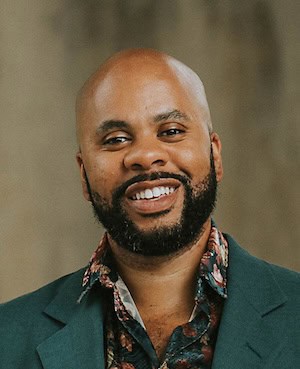 R. Eric Thomas (he/him) is a national bestselling author, playwright, and screenwriter. His accomplishments include “Eric Reads the News,” a daily humor column covering pop culture and politics, serving as the interim Prudie for the advice column “Dear Prudence,” and “Congratulations, The Best Is Over.”
Send questions to eric@askingeric.com or P.O. Box 22474, Philadelphia, PA 19110. Follow him on Instagram and sign up for his weekly newsletter at rericthomas.com.
©2025 Tribune Content Agency, LLC.
Like this advice on dealing with a difficult mother, read more life guidance: from parents in denial, managing heirlooms when downsizing, rambling mothers, and more:
Boomer Advice for Life department
For advice targeted to senior adults and their families – caregiving, grandparenting, retirement communities, and more:
Asking Eric on SeniorGuide.com