
When her second husband became ill, his children decided to stop his cancer treatments. After his death, they took over funeral arrangements, then never reached out to their father’s widow again. Advice columnist Eric Thomas advises her on managing the grief.
Dear Eric:
My late husband and I married nine years ago; both of our previous spouses had died. We were both in our 80s.
At the onset, we had agreed to split all of our expenses 50/50 and we wrote up a pre-nup. As time passed, his daughter began to question our financial arrangement, so she decided to take over his banking and accounts. That was fine with me.
Later on, she also unilaterally decided to monitor his health arrangements as well. She and her brother decided to take him off his cancer treatment and medicine.
He passed recently and I wanted to be involved with the funeral arrangements. I was highly upset that she refused to talk with me about them.
From that day until now, no one from his family has ever reached out to me or asked me how I’m doing. Thanksgiving and Christmas have gone by, and I still harbor hostile thoughts about his whole family as being unkind, unfeeling and uncaring about me as the person who took wonderful care of him physically and emotionally. I need to let this go but it keeps cropping up in my consciousness frequently. How do I move on?
– Abandoned by Family
Dear Family:
I’m so sorry that you were treated this way. It’s not right, as you know. While it’s possible that your late husband’s children struggled to accept your marriage because of their own grief over losing their mother, they shouldn’t have made you suffer for it. Grief is difficult and complicated; navigating it can be difficult without help. But help is available.
Your own grief may be one of the reasons that this behavior has been so hard to move past. It’s possible that the cruel way they treated you has kept you from processing your husband’s death. So, I’d recommend talking to a therapist or a faith leader about what you’re going through. You might also join a grief support group. These experiences will always be a part of your story, but by processing your feelings, you can reduce their power over you.
It may also be helpful to remember that nothing your late husband’s family did or does can take away the years you shared and the love you felt for each other. Try to focus on that and lean on those who love and care for you for support.
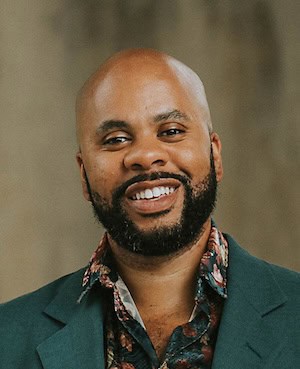 R. Eric Thomas (he/him) is a national bestselling author, playwright, and screenwriter. His accomplishments include “Eric Reads the News,” a daily humor column covering pop culture and politics, serving as the interim Prudie for the advice column “Dear Prudence,” and “Congratulations, The Best Is Over.”
Send questions to eric@askingeric.com or P.O. Box 22474, Philadelphia, PA 19110. Follow him on Instagram and sign up for his weekly newsletter at rericthomas.com.
©2025 Tribune Content Agency, LLC.
Read more life guidance like dissing a father’s widow: from managing heirlooms when downsizing, rambling mothers, retirement plan confusion, and more:
Boomer Advice for Life department
For advice targeted to senior adults and their families – caregiving, grandparenting, retirement communities, and more:
Asking Eric on SeniorGuide.com