By making social connections in a retirement community, residents can stave off loneliness – along with the mental and physical challenges that loneliness can exacerbate. Taneia Surles explains two types of interpersonal interactions that benefit seniors.
Social connections are beneficial at all stages of life, and particularly for older adults. At the same time, loneliness frequently affects seniors. They may be grieving from the loss of a partner or close friends, spending more time alone after retirement, or getting out less due to limited mobility. Research shows that loneliness can be a contributing risk factor to health issues like heart disease, depression, anxiety, and dementia, thus highlighting the importance of developing and maintaining relationships.
A retirement community offers opportunities to develop those relationships through connecting with others. While some people may feel uneasy about entering a space with strangers, it may reassure them to know about the activities they can participate in and the new friends they can make.
Two avenues for social connections in a retirement community
Residents can take part in a multitude of different ways to build relationships. The opportunities for social connections in a retirement community fall in two categories: planned and organic. Each has its benefits, and each appeals to different residents.
1. Planned social activities
Planned activities are scheduled events designed not only to foster social connection, but also improve physical activity and mental engagement.
The most common categories of planned activities are:
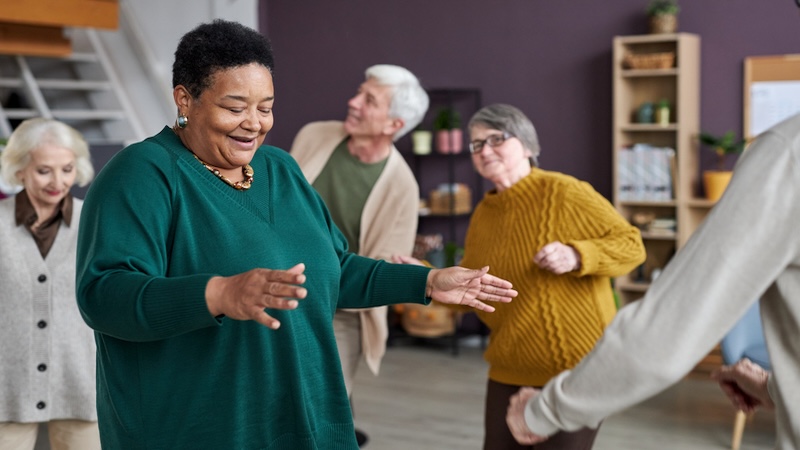
- Physical fitness: Walking groups, yoga, dancing, water aerobics, and strength training
- Creative arts and hobbies: Gardening, painting, pottery, cooking classes, knitting, writing workshops, and woodworking
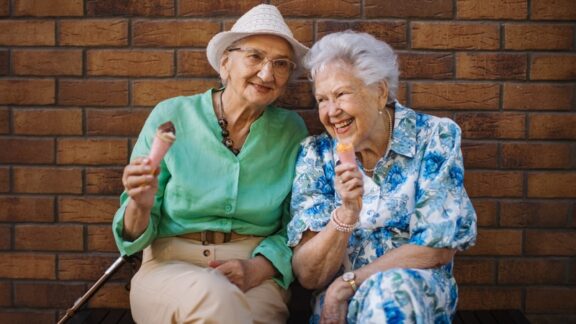
- Social and entertainment: Ice cream socials, movie nights, holiday parties, happy hours, and live music
- Education: Book clubs, guest lectures, language classes, and discussion groups
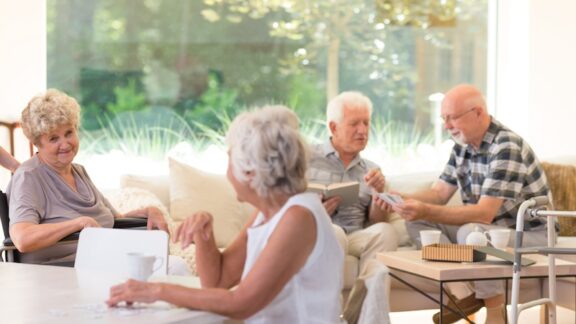
- Games and cognitive stimulation: Poker, bingo, crossword puzzles, and trivia games
- Community service and outings: Theater shows, guided trips to museums, shopping centers, and community clean-ups
- Spiritual support and mindfulness: Religious services, Bible study, and meditation groups
Participating in planned activities in a retirement community can:
- Provide an easy entry point for new residents
- Offer predictable opportunities to meet people
- Create routine and structure
- Support mental and physical well-being
- Offer an opportunity for more introverted residents who appreciate a built-in reason to socialize with others
2. Organic social life
 If planned social activities were like a child learning to ride a bike with training wheels, organic social activities would be removing those training wheels. Organic social activities in retirement communities are spontaneous and natural.
Organic social life at a retirement community can look like:
- Having a chat with a neighbor
- Sharing a meal with the same group regularly
- Partaking in a casual walking group
- Developing a friendship from proximity to one another.
In senior living communities, these interactions may occur in social hubs such as dining rooms, common areas, gardens, gyms, and lounges.
Benefits of organic social connections
- When seniors step out of their comfort zones to interact with others, those connections can:
- Feel more personal and less “scheduled”
- Build a sense of belonging and community
- Mirror how their friendships developed outside of non-retirement settings
- Lead to deeper, more meaningful connections
How the two work together
Seniors don’t have to pick one approach over the other in order to benefit from social connections in a retirement community. In fact, the two can intertwine perfectly. For example, attending a book club could spark a conversation about a favorite author that leads to a weekly coffee meetup. Or, someone from a walking group could turn into a gym partner.
Senior retirement communities that provide an environment that encourages both planned and unplanned social interactions can help residents cultivate meaningful relationships.
Plus, a mix of both planned and organic social activities in retirement communities can offer several health benefits for older adults, including:
- Lower risk of developing chronic disease: Engaging in social activities may lower the risk of developing conditions like dementia, stroke, heart disease, and certain types of cancer.
- Extended lifespan: Happiness, life satisfaction, social interactions, and a sense of purpose are all associated with longevity for older adults.
- Reduced depression: Participation in meaningful social activities can help older adults feel happier and healthier.
- Better coping mechanisms: Social engagement can build resilience, helping older adults recover from difficult thoughts or situations.
- Improved cognitive function: Engaging in mentally stimulating activities, such as dance or chess, may improve memory in older adults. So does staying socially active.
There’s no “right” way for seniors to socialize in later life. As nerve-wracking as meeting new people might be, many retirement communities offer structured and informal ways for residents to find other like-minded people.