
After years of busy social lives, this 70+ couple is content and socially fatigued. How do they gracefully tell friends they’re tired and want to slow down? Advice columnist Eric Thomas weighs in.
Dear Eric:
So often we read questions from people seeking friends and how to do that. We have the opposite problem. How do we gracefully say no to all of the askers?
My husband and I are in our mid-80s and 70s, respectively, and have a problem we feel lucky to have, but aren’t sure how to resolve with love and respect.
We are grateful for the many friends we’ve made over the years in our professional and personal lives, volunteering and teaching (my husband). Every week we receive invitations to have dinners, lunches, or coffee with many of them. We love them and wish them well, but now we’re tired and our lives are full enough.
For example, my husband meets either in person, on Zoom or by phone with more than 10 people weekly. I have nerve issues that make speaking increasingly more painful, so I dislike meals or phone calls. I’ve had people respond negatively when I suggested keeping in touch by email. My husband and I agree that it’s over the top, and we choose to slow down. But how?
– Grateful and Tired Now
Dear Grateful:
It’s so healthy that you’re recognizing and honoring your impulses here. Friendships have seasons, as does our capacity for social engagement. It’s good that you’re listening to the parts of yourselves that want to commit energy elsewhere.
For friends with whom you’re close, consider a brief, proactive conversation before the next invite. You can tell them that you feel grateful for their invites and don’t take them for granted, but that you want to let them know about a change you’re experiencing. You don’t have to go into great detail, but you might say something like, “We’re more likely to decline invites and I hope you understand that it doesn’t reflect any ambivalence toward you.”
Invite them to respect and respond to your changes by finding new ways of staying in touch, like the emailing that you mentioned. Hopefully the context will help people understand your request. If someone is still responding negatively to the suggestion of email after this, that’s a blockage that they need to resolve for themselves. You can ask, “what would you suggest?” or you can just let it be.
For more casual or professional acquaintances, you may want to reset expectations on a case-by-case basis by saying something like, “we’re declining now and will be doing so more moving forward. Health challenges and the changing paces of our lives are asking us to slow down and we’re listening. We hope you understand it’s not personal.”
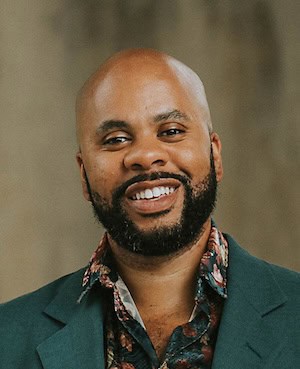 R. Eric Thomas (he/him) is a national bestselling author, playwright, and screenwriter. His accomplishments include “Eric Reads the News,” a daily humor column covering pop culture and politics, serving as the interim Prudie for the advice column “Dear Prudence,” and “Congratulations, The Best Is Over.”
Send questions to eric@askingeric.com or P.O. Box 22474, Philadelphia, PA 19110. Follow him on Instagram and sign up for his weekly newsletter at rericthomas.com.
©2025 Tribune Content Agency, LLC.
Like this advice to socially fatigued seniors, read more life guidance, from family caregiving and boundaries, caregiving in a marriage, not receiving thank yous, and more:
Boomer Advice for Life department
For advice targeted to senior adults and their families – caregiving, grandparenting, retirement communities, and more:
Asking Eric on SeniorsGuide.com