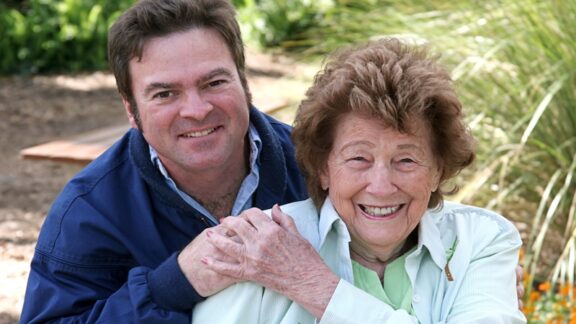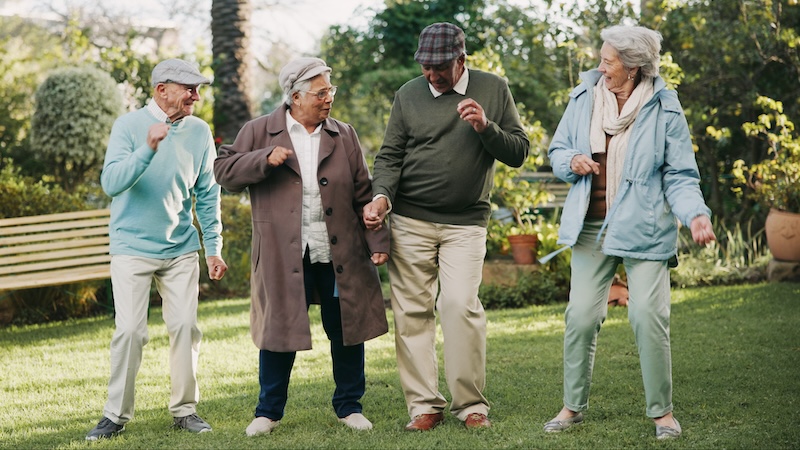
To best plan for the future, older adults and their families should know the trends in senior living – positive changes to support an aging population – from aging in place to community living.
As seniors’ housing needs and options evolve, older adults and their families face a rapidly changing environment. Today, a wide spectrum of adaptable, lifestyle-focused choices is readily accessible, supported with ever-changing technologies.
From community design to affordability challenges and technology-driven care, senior living trends are influenced by life expectancy, changing family dynamics, and – perhaps most important – the expectations of a more active, tech-savvy generation.
By 2030, all Baby Boomers will be over 65, and their preferences are already changing how aging looks. According to the U.S. Census Bureau, older adults will make up a significantly larger portion of the population, increasing demand for varied housing and care options.
Positive trends in senior living
1. Aging in place remains the top choice.
The majority of adults over 50 still prefer to stay in their own homes as they age. A 2024 AARP report confirms that nearly 3 out of 4 adults want to remain in their homes long-term.
What’s changed is the level of support available. Aging in place is now more viable thanks to:
- In-home caregiving services
- Telehealth and remote monitoring (though Medicare telehealth coverage is tenuous as of publication date). For example, services such as Teladoc and Doctor on Demand have made it easier for people to get medical help by allowing them to speak with professionals without leaving their homes.
- Grocery delivery and on-demand services
- Smart home gadgets
- Services and DIY guides for modifying a home for safety.
2. Intergenerational living is making a comeback.
After decades of decline, multigenerational living is returning, though sometimes in more modern forms.
Today’s intergenerational options include:
- Families living together for financial or caregiving support reasons
- Co-housing communities (learn more at Coho/US directory)
- University-based retirement communities, which are affiliated with college campuses, for easy access to arts and culture and continued learning experiences
This trend shows both economic realities and a fresh appreciation for intergenerational connection.
3. Solving the affordable housing crisis.
Affordability is a pressing concern in senior living, particularly for those in the “forgotten middle.” These are the folks who make too much to qualify for housing assistance, yet don’t have the means to pay for standard senior living. A University of Chicago study indicates that nearly 16 million middle-income seniors may face this predicament by 2033.
The field is currently centered on three key areas to promote healthier and more sustainable aging:
- Lifetime affordability (predictable, manageable costs)
- Social connection (opportunities to build relationships and community)
- Care navigation (support coordinating health and home care needs)
A leading example is the Opus model developed by 2Life Communities. Opus Newton uses a hybrid approach. Residents use their home equity to assist with housing costs, a strategy that helps keep monthly expenses more predictable and less burdensome. They also volunteer 10 hours per week, which utilizes their wisdom, builds their personal connections, and creates a supportive community of people who know and look out for each other.
4. Technology is transforming daily living and care.
More than ever, senior living communities use technology.
Here are some important new developments in this field:
- Health monitors
- AI-powered assistants
- Systems for managing medications
- Platforms for virtual care, as described above
Technology is providing safety solutions for seniors and their families, too, including addressing concerns of aging in place. Companies like GreatCall (now called Lively) make devices that address the safety and communication needs of older people.
5. Senior living design is becoming more flexible.
The design of senior communities is changing, in part influenced by the pandemic. Architects and developers, guided by organizations like the American Institute of Architects, are focusing on:
- Smaller residential clusters
- Flexible common spaces
- Improved ventilation systems
These changes help balance public interaction with health and safety.
6. Outdoor living and nature integration are priorities.
Access to nature is now seen as essential, not optional, contributing to physical and mental health.
Studies backed by the National Institutes of Health indicate that spending time outdoors benefits the physical and psychological well-being of seniors.
Modern communities are changing, and they’re doing so by adopting:
- Walking trails and gardens
- Outdoor dining areas
- Accessible green spaces
These features help support healthier, more active lifestyles.
7. Equity and cultural competency are becoming priorities.
The need for more inclusive senior living spaces is getting increased attention.
Groups such as SAGE (Services & Advocacy for LGBTQ+ Elders) are pushing for improved representation and care for older LGBTQ+ individuals.
Communities are starting to respond more effectively to:
- Cultural and religious differences
- Language requirements
- All-encompassing policies and staff training programs
This change mirrors a wider call for dignity and individualized care for all.
8. Communities built around shared interests are becoming more common.
More and more, older adults are choosing to live in places that match their interests and preferred lifestyles. Examples of these communities are:
- Communities centered around hobbies
- Faith-based communities
- Developments that focus on specific lifestyles
These communities offer built-in social connections and a strong feeling of belonging.
9. Active adult living is redefining retirement.
Today’s seniors are more focused on health, wellness, and staying active – and they expect their environments to support that lifestyle. Groups such as the International Council on Active Aging emphasize wellness-focused living.
Communities now offer:
- Fitness programs
- Social clubs and events
- Lifelong learning opportunities
Senior living is shifting from care-focused to lifestyle-focused.
10. Pet-friendly living is becoming standard.
Pets play a major part in emotional and physical well-being.
Pet ownership can help combat loneliness and support mental and physical health.
Many communities now:
- Allow pets
- Offer pet-friendly amenities
- Provide animal-assisted therapy programs
For many seniors, taking their pet along is a key factor in choosing a community.
Final thoughts on trends in senior living
Options for older adults in 2026 have changed from even a few years ago. Looking at the trends in senior living, the focus has shifted toward flexibility, personalization, and quality of life.
Whether aging in place, entering a community, or considering hybrid options, today’s seniors have more choices than ever.
Updated for 2026. See the 2022 version of this article here.