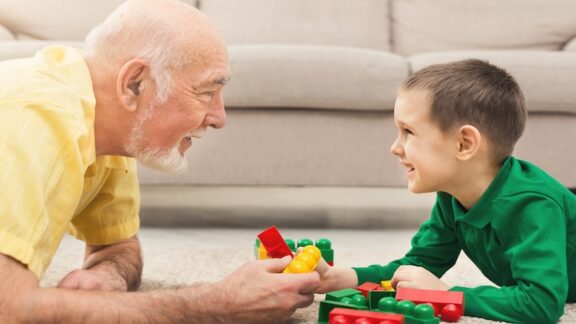
Senior living communities have a greater emphasis than ever on providing connections for their residents and clients. Emphasizing social spaces in retirement communities addresses the importance of personal interactions to mental and physical health. Seniors Guide writer John Levan explains.
In senior communities – from independent living to skilled nursing facilities – residents and their families expect more than supervision and care. They want warmth, dignity, and meaningful daily experiences. Increasingly, communities across the country are rethinking one of the most influential parts of the resident experience: social space design.
Rather than huge TV lounges and formal sitting rooms that feel more cold and institutional than welcoming, operators are creating spaces that look and feel like modern homes and lively community centers. The goal is simple but powerful: make it easier and more natural for people to connect.
Why does it matter? Because connection is more than just a nice thing to have. It is important for brain health, emotional health, and even physical health.
Improved social space in retirement communities
Here’s how social spaces in retirement communities are becoming more comfortable, welcoming, and interactive.
From common rooms to community hubs
In the past, most common areas had only one purpose: people gathered for planned events, but most of the time the spaces were empty.
New designs emphasize flexibility and energy throughout the day.
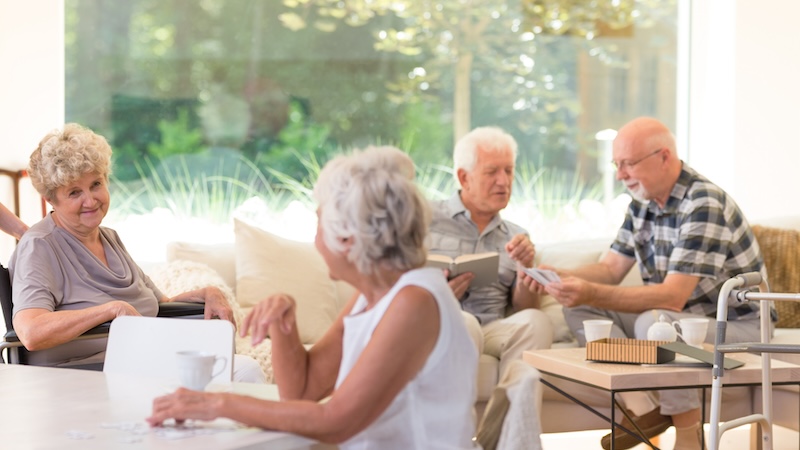
Big rooms are being split into smaller areas with specific purposes. There could be a coffee bar next to comfortable seating areas. A library nook can be used for lectures. The furniture can be moved around, so staff and residents can change the space to fit the activities.
This change makes people more likely to get involved on their own. Instead of waiting for something to happen, residents naturally run into their neighbors, start conversations, or join a game. The space becomes part of everyday life rather than just background.
Comfort as the foundation for engagement
If a room isn’t comfortable, people are unlikely to use it.
That idea is driving many design decisions in modern senior communities. Operators are paying closer attention to residential touches: soft textiles, fireplaces, warm color palettes, and furniture that looks stylish without sacrificing support or safety.
The lighting can be adjusted and layered to reduce glare and help older eyes. To minimize background noise, which can make conversation challenging, acoustics are carefully controlled. Chairs are chosen based on seat height, stability, and arm support.
These may seem like small things, but together they make it easier for people to participate. When people feel comfortable, they are more likely to stay, talk to others, and return.
Designing for different social styles
Some residents prefer not to be in the middle of the action. Some do best in busy groups, while others do better in quiet one-on-one conversations or just being around activity without getting involved. In crafting social spaces in retirement communities, forward-thinking communities know that people have different tastes and design their spaces accordingly.
Many communities offer small spaces throughout buildings, like window seats, small card tables, semi-private alcoves, and cozy lounges along hallways, giving residents a chance to talk to each other without too much pressure, even sharing greetings when walking by – like the old front porch.
Meanwhile, larger areas host shows, parties, and group programs.
Communities that provide their residents with choices respect their differences while still promoting social health.
Bringing the outdoors in
Biophilic design is now a key part of designing homes for seniors.
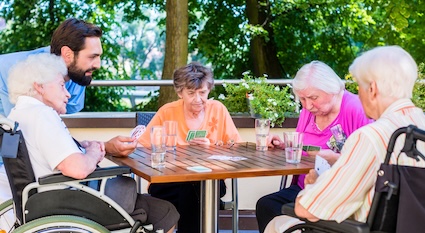 Covered patios, courtyards, walking paths, and gardens are no longer just nice things to have – they are necessary for social infrastructure while providing the benefits of time outdoors.
In addition to friendly outdoor areas, many communities design their buildings with large windows, lots of natural light, and direct access points that make it hard to tell where the inside and outside spaces end. Whether during adverse weather or for people who stay inside, the views of plants, sky, and wildlife can soothe the soul.
These links to the outside world can help residents relax, feel better, and make the spaces more welcoming for family visits.
Technology without barriers
Technology is becoming increasingly important in how people in a community connect, too.
Big screen TVs can facilitate movie nights, virtual travel experiences, and group exercise classes. With reliable Wi-Fi, residents can video chat with family or join online groups that share their interests. Some neighborhoods have tech bars or help desks where staff can help with devices. When used correctly, technology makes social interactions easier, not harder.
Opening doors to the larger community
Another important objective is ensuring that seniors don’t feel isolated from the surrounding community. As part of creating social spaces in retirement communities, operators offer programs to encourage people of all ages to interact. Local clubs, educational workshops, or performances from nearby schools can take place in multipurpose rooms. Cafés may be open to non-residents.
Such ideas bring new life to the senior living space while giving residents more opportunities to spend time with people of different ages and backgrounds. The connection also helps people in the greater community see seniors as active members of the neighborhood.
Rethinking the dining experience
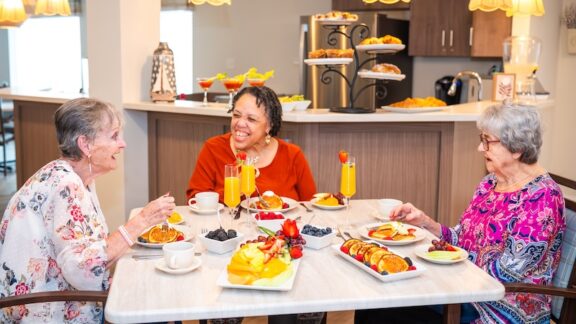
The dining room is an essential area for socializing, and improvements can help emphasize social spaces in retirement communities. Changes to a dining program addresses many goals, including bringing people together.
 Some facilities are moving away from cafeteria-style toward restaurant-style settings that emphasize choice. Small tables enable conversation. Different seating options let residents choose whether they want a lively meal or a quieter one.
Residents can also change their routines by using open kitchens, flexible dining times, and grab-and-go options.
When eating together becomes fun instead of simply a necessity, it naturally brings people closer together.
Why this matters for operators
When it comes to social design, it’s not just about looks – it’s about measurable results.
Communities that encourage interaction often have happier residents, improved mental health, and better impressions during tours. Welcoming spaces that encourage connection can help achieve occupancy goals and enhance the brand’s reputation.
The staff also benefits. It’s easier to host programs and get to know residents when there are places that naturally encourage people to gather.
In short, design becomes a valuable tool.
The future is connection-centered
As expectations change, senior living providers understand that architecture affects how people feel. They are creating spaces where relationships can grow by prioritizing comfort, flexibility, and inclusivity. These places help people maintain their sense of self, make new friends, and feel part of something bigger.
That feeling of belonging may be one of the most important elements a community can offer.
Related: The Benefits of Friendships in Senior Living Communities